
Human centered experiences in a tech driven era
04.28.26
Claire Carroll
Senior Strategist
Kat Tischler
Manager, Creative/Senior Creative Director
Human-centered experiences in a tech-driven era
3 insights, 2 ideas, and 1 question from London Experience Week
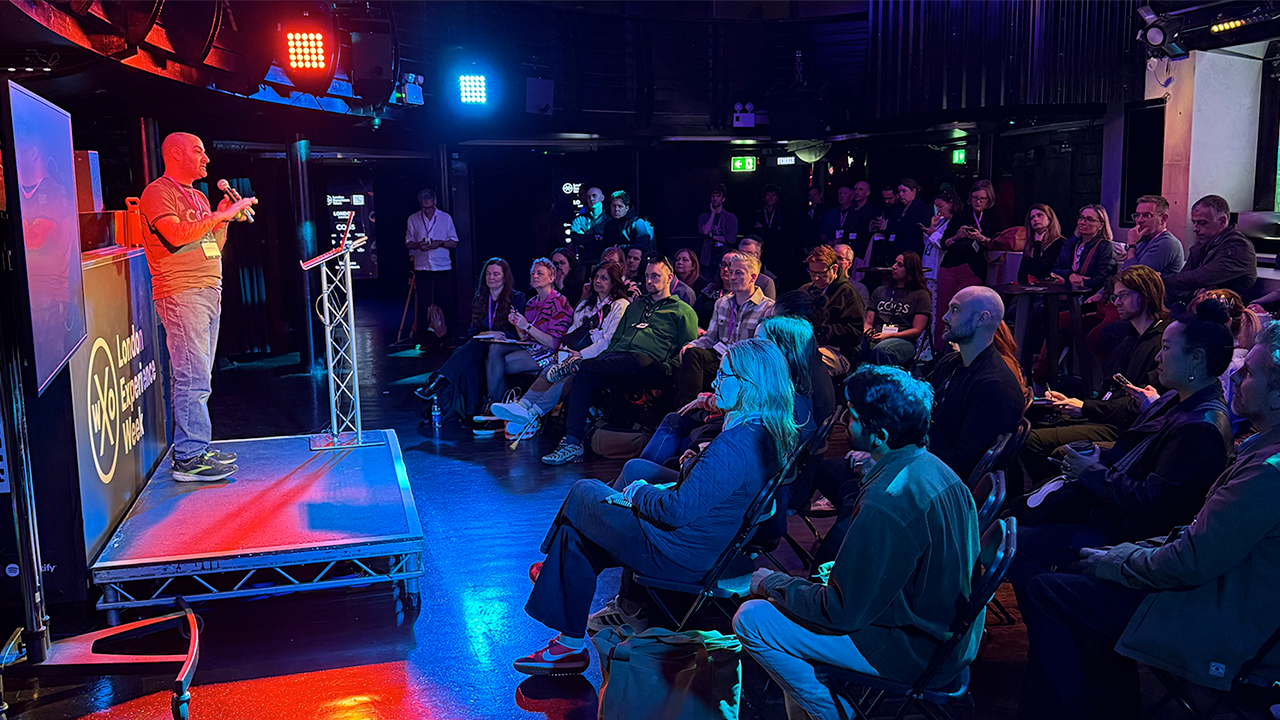
Grabbing the cold metal railing, our footsteps rattled on the steel grating of each step as we climbed the old staircase in the low-lit, London nightclub. We find ourselves in London’s renowned Ministry of Sound, but we’re not headed to a concert, or the dancefloor. We’re headed to a session on “the Experience Economy.”
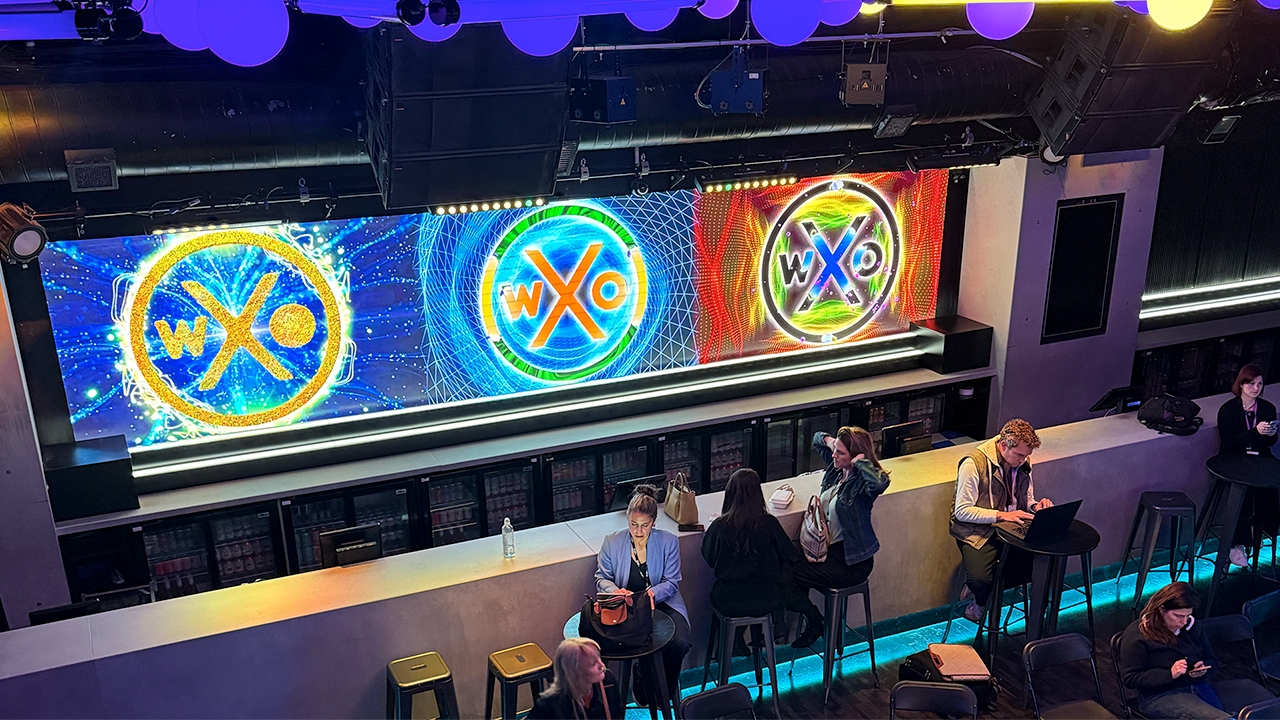
It’s London Experience Week (LXW), and 700+ event and marketing professionals are gathered in this dark disco to share the secrets behind designing experiential moments that matter. We found that LXW didn’t just showcase great work; it captured both the excitement and the uncertainty we are all feeling as experience creators in a technology-driven era.
Here’s what resonated with us.
3 insights
Novelty isn’t a nice-to-have; it’s a trigger for transformation
If everything feels familiar, audiences stay on autopilot. And if they stay on autopilot, nothing changes. So, the real question we should be asking every time we create is: does this break our audience out of the norm? Because transformation does not happen in comfort, it happens when something feels new enough to demand attention.
Experience wins where digital marketing cannot
A clear idea, simply put: what can your audience only experience in person? Lean into that.
We are still designing events that could easily be consumed online and then wondering why attendance is stagnant.Ambient, tangible metrics hold the future
Ambient, not interruptive, measurement is the future. Ambient capture (collecting signals passively through behavior, movement, dwell time, interactions, and biometric or environmental cues) is becoming increasingly important, as active data collection can disrupt and diminish the experience. The next step in data capture will be figuring out how to effectively “measure the goosebumps.”
2 ideas
Create an invitation to play
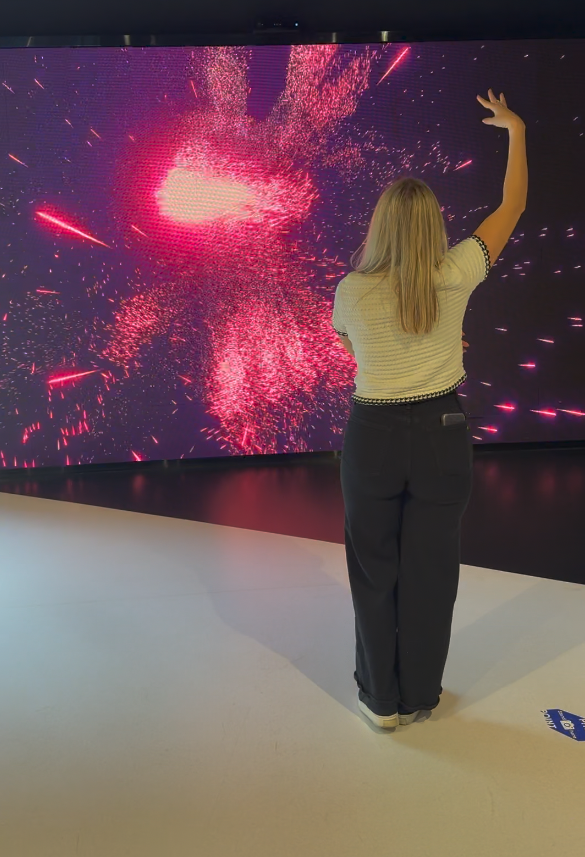
Our B2C audiences show up expecting participation. Our B2B audiences show up more often than not, because they have to. But designing experiences for either audience set can stem from the same place: movement creates entry and fun lowers the barrier to get in. One of the simplest but most powerful shifts is to invite people to play a role at an event. When people opt in, they move from passive observers (who have to be there) to active participants (who want to be there).
A few ways this can show up:
• Designing moments that require decision making, not just consumption
• Encouraging participation through movement so that by the time their brain catches up, they are already in
• Activating staff as “in-experience guides”, not passive support, but individuals (in-person or digital) with defined roles to prompt, challenge, and pull attendees into interaction throughout
Turn your experience into a story people step inside
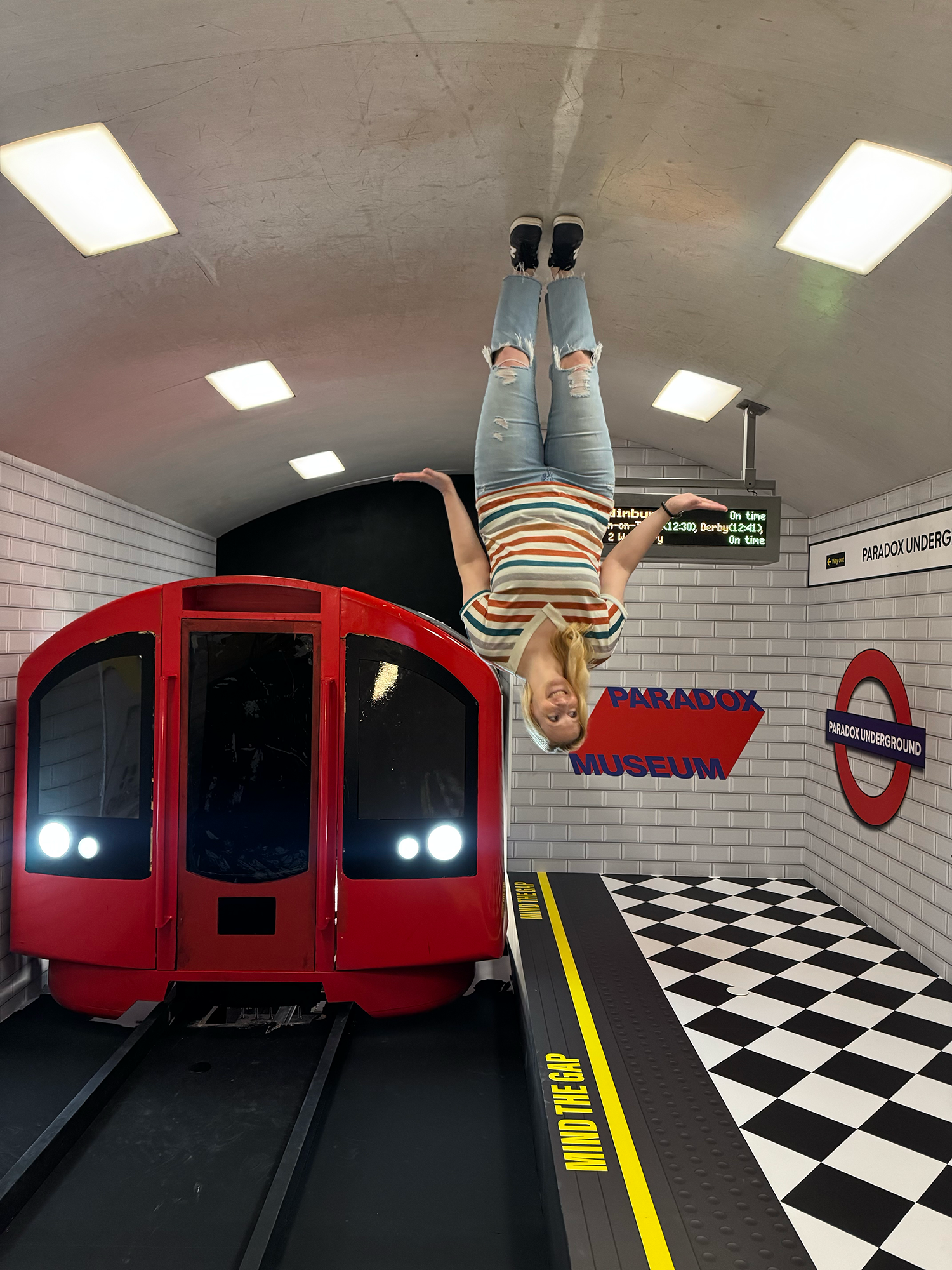
The idea of stepping inside something came up repeatedly. Not just storytelling, but storydoing. There’s a lot we can learn from the world of video games and how they design rules, not plots. We need to move from stories about people to stories with people.
Examples that sparked this:
• Designing experiences as systems, rather than sequences of linear progression
• Embedding easter eggs and discovery moments throughout to encourage play
• Infusing a dose of customization; the reality of personalization can be difficult, and costly. Sometimes it just takes the illusion of personalization--that the experience appears to change because your audience went through it
1 question
Can curiosity alone drive attendance?
We find ourselves between two extremes:
• Tell people everything to drive clarity and reduce risk
• Tell people nothing to create mystery and drive intrigue
So, the real question is: Is there a way to measure whether curiosity can be a driver of attendance?
And more importantly:
• Where is the line between intrigue and confusion?
• How much do audiences need to know to commit?
Final thought
One idea kept resurfacing throughout the week: “B2B communications treats people like they are no longer people.”
If we want experiences to truly change people, or change behaviors, not just inform them, we must start there. That means designing for emotion, not just information, and creating the conditions for transformation, not just the content. Technology and immersion are not the message (the what), they are the medium (the how). And no matter our use of digital, humanity needs to be at the core of every experience we create.