
From calendar to campaign
08.28.26
Angie Smith
CEO
Invision
From calendar to campaign
Why every event must earn its place in the portfolio
After more than 25 years on the brand side, I know how quickly an event calendar can fill up.
There are the conferences you have always attended, the sponsorship someone has already committed to, the customer event everyone expects, and the executive dinner that worked last year. Then come new requests, audiences, markets, and business priorities.
Before long, the calendar is full.
But a full calendar is not an event strategy.
Now, from the agency side, I see the distinction even more clearly. Events should not operate as isolated deliverables. They are touchpoints within a larger campaign, and each needs a clear role in moving the audience and the business forward.
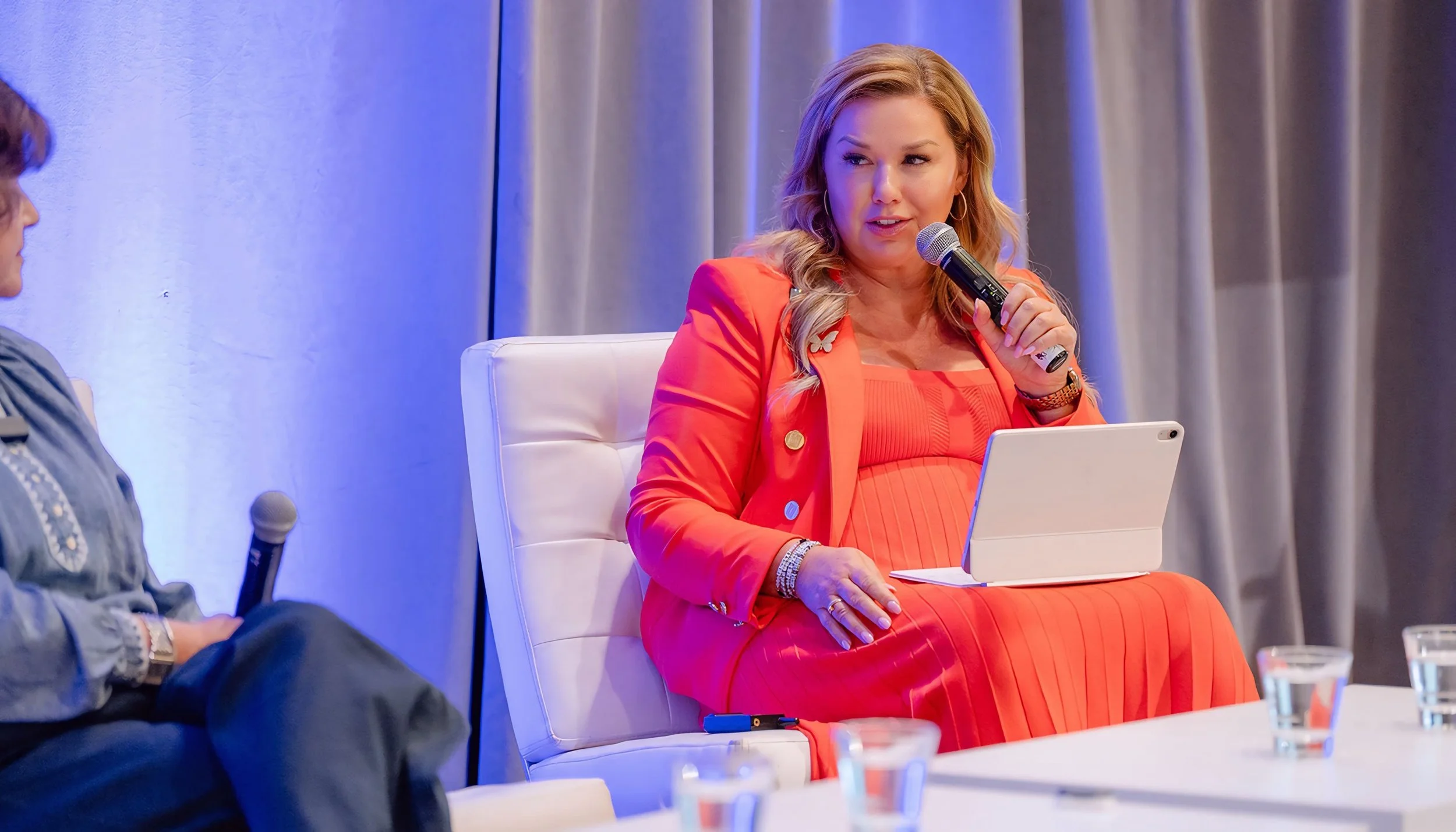
At CEMA, what struck me was how differently Rachel Andrews of Cvent and Jeanne Robb of Five9 arrived at the same conclusion. Rachel is leading an established, high-volume, high-impact event portfolio. Jeanne is newer to her role and rebuilding from a different starting point. Yet both agreed: We cannot keep doing what we have always done.
What works for one brand will not automatically work for another. The real discipline is deciding what your brand needs to own, what partnership can provide, and how that mix needs to evolve over time.
My takeaway is simple: Every event must earn its place.
That means creating meaningful value for the audience and intentional movement for the business. If you cannot name both, the event may be filling space on a calendar rather than serving the strategy.
Start with the audience, not the calendar
Portfolio planning is ultimately an audience strategy.
Every time someone accepts an invitation, boards a plane, leaves their family, or gives a brand several hours of focused attention, they are making an investment.
We owe them something worthy of it.
Invision’s latest research with Event Leaders Exchange, detailed in The trust filter: A new standard for experiential marketing, found that 92% of B2B event attendees say trust in a brand shapes whether they take action after an event.
The portfolio cannot be designed only around where the brand wants to appear. It must also reflect what people need from each experience to trust, participate, and take the next step.
Sometimes that is access to knowledgeable people. Sometimes it is the ability to try something themselves, have an honest conversation with peers, or enter a room that feels designed for them rather than around what the brand wants to say.
Trust is created when the purpose of the experience and the needs of the people inside it are aligned.
Give every experience a clear role
Do not begin with, “What events should we do next year?”
Begin with, “What needs to be different for the audience and the business by the end of the year?”
If the priority is awareness, a high-reach conference or sponsorship may create discovery. If the goal is thought leadership, an owned executive forum or keynote platform may build authority. Account growth may call for a smaller, highly personalized customer experience. Community requires continuity and reasons for people to keep coming back.
Those are different roles. They require different formats, messages, investments, and measures of success. More importantly, they should build on one another.
A third-party conference might introduce the relationship. An owned experience can deepen it. A customer program can expand it. A community can sustain it.
That is what it means to build a portfolio around a campaign rather than a series of disconnected moments.
Build or partner? Let the strategy decide.
Third-party experiences are valuable when the audience is already gathered, borrowed credibility matters, or the business needs reach and speed.
Owned experiences offer greater control over the audience, narrative, environment, and journey, creating more space for depth.
The right mix is not fixed. Ask where you need reach, where you need depth, and how each channel supports the next.
Apply the same strategic test
At CEMA, we shared six lenses for evaluating each experience:
Objective: What specific change is this event intended to create?
Audience fit: Will it reach the right people at the right level and concentration?
Message alignment: Does the environment give the message the context and credibility it needs?
Experience value: What will the audience receive that makes this worth their time?
Business impact: Is there a clear path to pipeline, relationship growth, community, trust, or another defined outcome?
Investment efficiency: Does the expected value justify the budget, time, resources, and opportunity cost?
A 5,000-person conference and a 12-person executive dinner should not be judged by the same blunt measures. One may create reach while the other creates access. Success depends on the role each was designed to play
Know what to stop doing
This is where portfolio planning requires real discipline.
Legacy events can remain on a calendar long after their strategic value has changed. A sponsorship may still deliver visibility but no longer reach the right audience. An owned event may be well-loved internally but disconnected from the business priority it was created to support.
History alone is not a strategy.
That does not mean every event must generate immediate revenue. It means every event needs an intentional reason to exist, a clear audience promise, and a definition of success appropriate to its role.
As 2027 planning takes shape, do not build the biggest portfolio. Build the one with the clearest logic.
Start with the audience. Define the movement the business needs. Give each experience a role. Then invest in the combination of moments that can build on one another.
That is how an event calendar becomes a connected campaign and a more powerful engine for growth.
Planning your 2027 event portfolio?
Invision helps brands evaluate, design, and connect experiences around the audiences and business outcomes that matter most. Contact your Invision Account Director or connect with us at info@iv.com.