
How to build an AI-powered event pipeline
08.21.26
Eileen Page
SVP, Digital/IXC
Invision
Julian Velázquez
Technology Strategist
JAV Digital, LLC
How to build an AI-powered event pipeline: An applied framework for before, during and after the show
A practical way to connect pre-event engagement, onsite interactions, and post-event follow-up without losing the human value of the experience
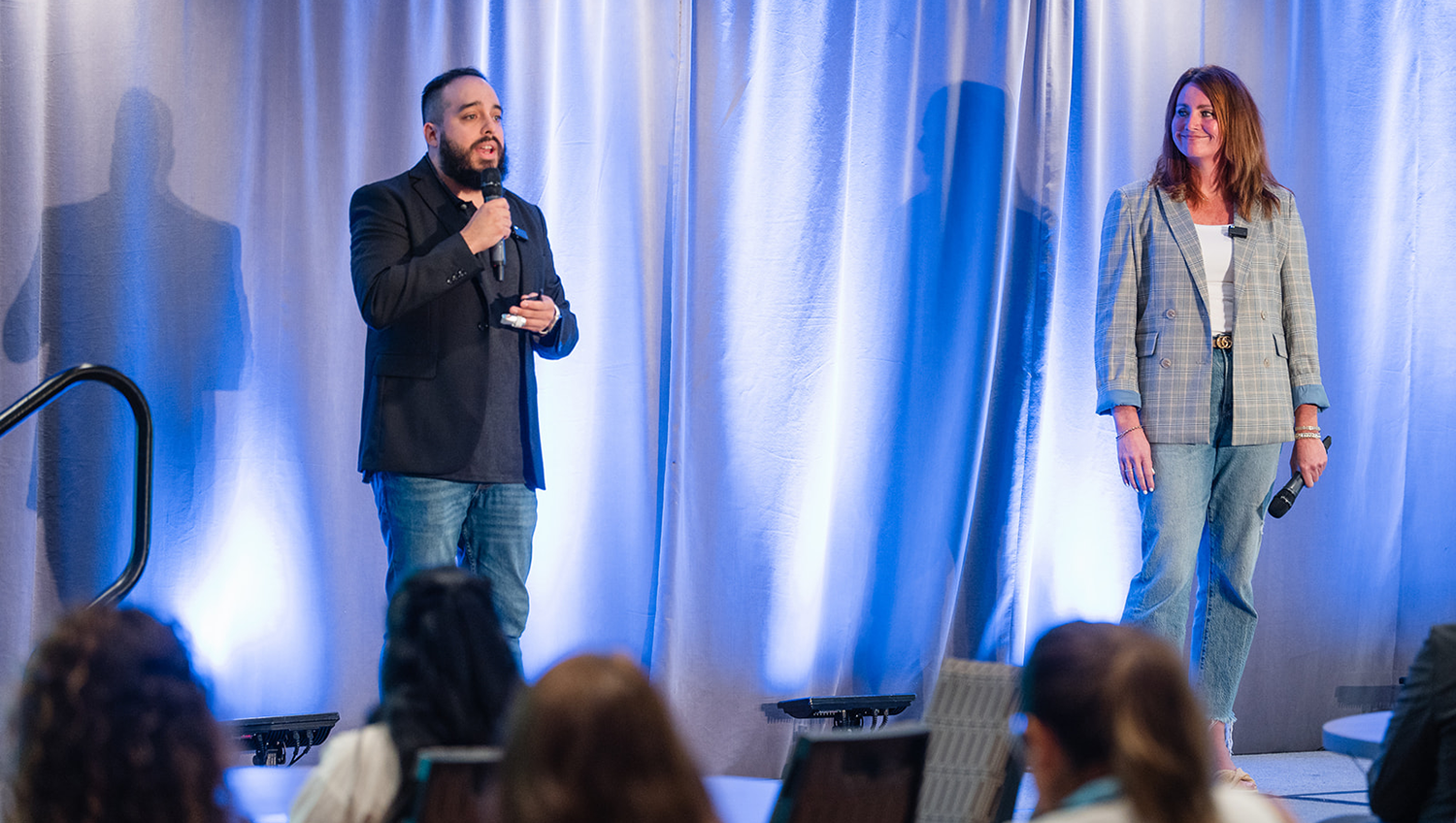
At CEMA Summit 2026, we shared “Turning a Trade-Show Booth Into an AI-Powered Pipeline,” a look at how AI can connect pre-event outreach, onsite engagement, and post-event follow-up. The idea is simple: the value of a trade show extends well beyond the days onsite.
There are opportunities to build interest before the event, capture meaningful signals in the moment, and continue relevant conversations afterward. AI can help connect those stages more effectively, turning separate touchpoints into a system that delivers more value than any one stage or team could on its own.
Rather than treating AI as a standalone tactic, we think about where it can support the full journey, with what you learn at each stage making the next one smarter and more personalized.
Start with the workflow
Before adding technology, map one upcoming event from beginning to end. How are priority audiences identified? How are conversations started before the show? What should the onsite team capture? Where does that information go afterward? Who owns the next step?
Start with the workflow, not the tools.
Before the show: Start the conversation earlier
Pre-event work is where teams can move from promoting their presence to intentionally creating conversations.
AI can help research and segment target audiences, develop personalized invitations, manage outreach sequences, and simplify scheduling. A practical goal: have the right meetings on the calendar before the team arrives.
In the example we shared at CEMA, the client combined the show’s attendee list with a pre-identified prospect list, then used AI-supported outreach to create custom invitations. Interested replies were qualified and routed to the event calendar, so meetings were booked before the doors opened, allowing the booth to show immediate ROI rather than waiting on walk-up traffic.
The question becomes: What conversations do we want underway before the doors open?
During the show: Capture context, not just contacts
A badge scan tells you who stopped by. The conversation tells you what matters: what interested them, what question they asked, what problem they were trying to solve, and what should happen next.
In the example shared at CEMA, booth conversations and scans flowed into a CRM as they happened. The booth team’s conversation notes gave AI the context to create usable categories, including industry, level of interest, what was discussed, and what should happen next.
Supporting the work around the human interaction is one of the best roles for AI onsite.
Our 2026 experiential research reinforces that point. Attendees value access to knowledgeable brand representatives who can answer real questions. AI can retain the context while the onsite team focuses on listening and engaging. (Click here to read the complete report: The business of experiential ’26: Designing for trust)
After the show: Build on the momentum
Post-event follow-up works best when it is both fast and reflects what actually happened onsite.
AI can use the captured notes to draft and send personalized follow-up, re-engage warm visitors who never booked, and route each lead to the right rep with CRM context attached.
In the example shared at CEMA, the system continued to work after the show, using the booth context to support more relevant follow-up and next steps.
Ask: What did this person tell us that should influence what happens next?
Connect the handoffs
The biggest opportunity is often between stages. Pre-event engagement should inform who the team is looking for onsite. Onsite conversations should shape post-event communication. Post-event activity should become useful context for the next interaction.
We look at the pipeline as one connected workflow, from target audience and outreach to meetings, conversations, qualification, CRM, and follow-up. At each handoff, ask what information needs to move forward.
That continuity is what lets AI act on the context, not just store it. Once the notes are in the system, AI can draft and send personalized follow-up, re-engage warm visitors who never booked, route each lead to the right rep with CRM context attached, and keep working after the show.
Relevance matters. Invision’s 2026 research found that attendees value personalization when it saves time or delivers communications and content tailored to their needs. (Click here to read the complete report: The business of experiential ’26: Designing for trust)
AI can make personalization easier to scale. Good judgment is still what makes it valuable.
Start with one event
You do not need to overhaul the entire event program at once. Choose one upcoming show, map the journey, and identify one or two places where AI can create practical value. Start there, learn from it, then expand.
The trade show is still a moment when people come together face-to-face. An AI-powered event pipeline helps that moment do more before the show, during it, after it, and into whatever comes next.
To get started applying AI to strengthen your pipelines at your next event, contact your Invision Account Director or email info@iv.com.
FAQ
How can AI improve event marketing before, during, and after an event?
AI can make each stage of event marketing more connected and useful. Before an event, it can support audience research, segmentation, personalized outreach, and meeting scheduling. Onsite, it can capture and organize the context behind conversations. Afterward, it can support faster, more relevant follow-up and route leads with useful CRM context. The strongest results come from connecting all three stages as one workflow.
2. Where should event teams start with AI?
Start with one event and map the complete workflow, from target audience and outreach through onsite conversations, CRM, and follow-up. Identify one or two handoffs where better information or faster action would create value. Apply AI there, learn from the pilot, and expand once the process and ownership are clear.
3. How can brands use AI while keeping human connection at the center of live events?
Use AI to strengthen the work around human interaction. It can organize data, preserve conversation context, scale relevant personalization, and reduce repetitive tasks. Brand representatives can focus more of their time on listening, answering real questions, and building relationships. Human judgment keeps every use of AI useful, appropriate, and valuable for the audience