
CES 2026: A New Era of Immersive Tech, Interactivity, and Embodied AI Experiences
01.16.26
Ray McCarthy Bergeron
Senior Director of Technology Innovation
Ray is an award-winning director and digital experience designer for 20+ years, who founded the Immersive Experience Center (IXC) to bridge the gap between art and technology to create impactful digital campaigns and tools for a range of Fortune 500 clients, NGOs and internal initiatives.
CES 2026: A new era of immersive tech, interactivity, and embodied AI experiences
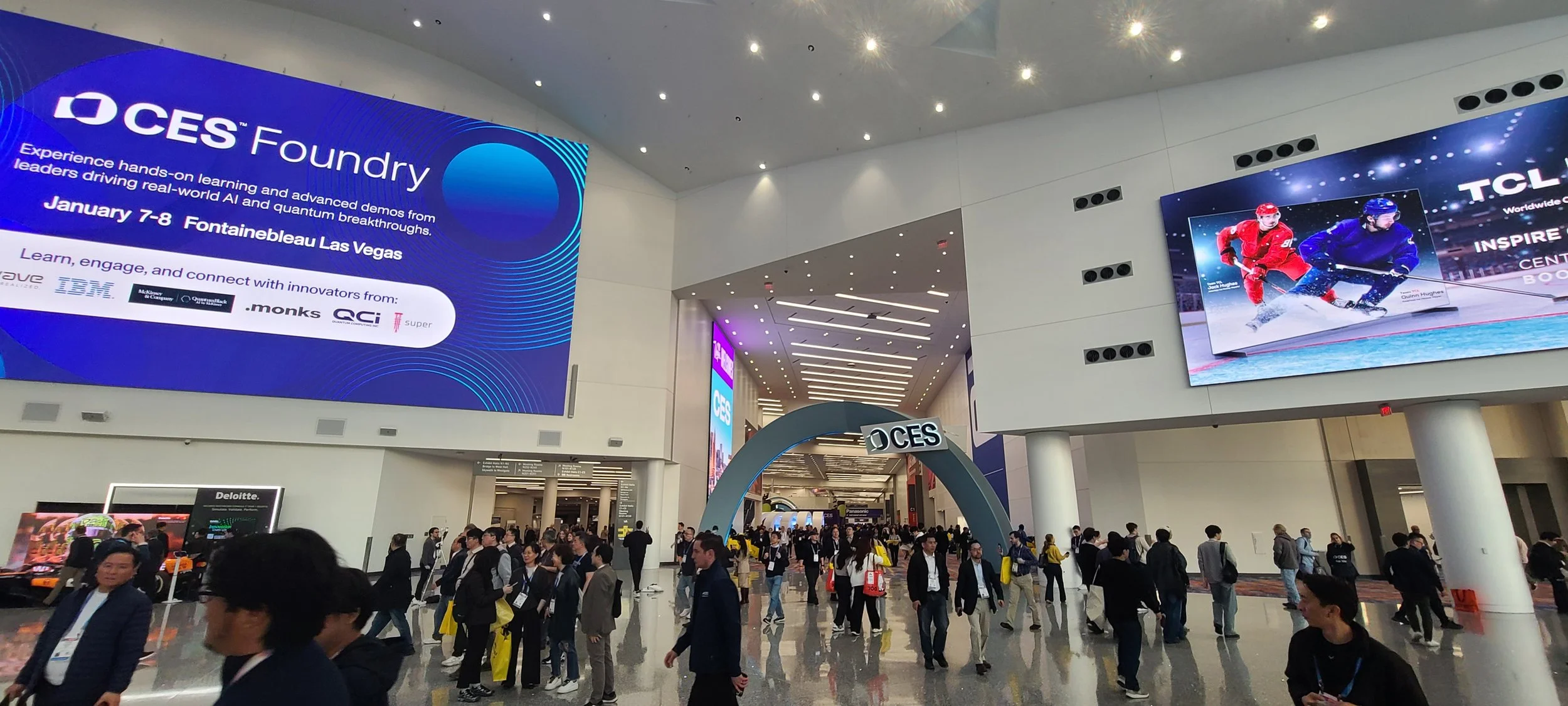
CES 2026 in Las Vegas was the most experiential show in years, blending cutting-edge AI developments with deeply interactive booth design and immersive keynote activations that extended well beyond the convention halls. From jaw-dropping environments (yes, that Sphere) to city-wide brand scavenger hunts and a palpable shift in how AI physically inhabits our everyday-real-world, this year’s conversations weren’t just about what tech can do, but how it feels and engages.
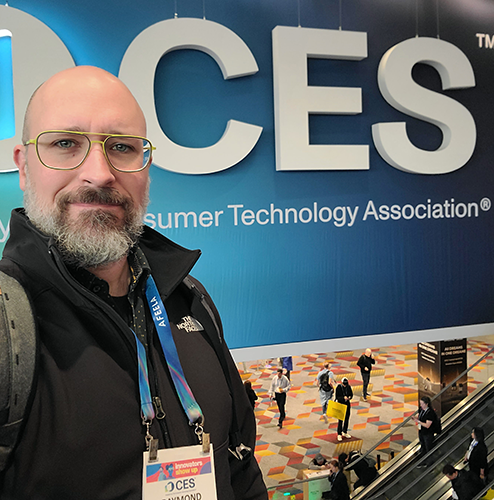
I attended CES to explore how emerging technologies are evolving, and how those innovations can be thoughtfully applied within the experiential marketing industry.
Here are the key themes and takeaways from the week that stood out most on the CES 2026 show floor.
1. Multi-space brand experiences: beyond booths to citywide activations
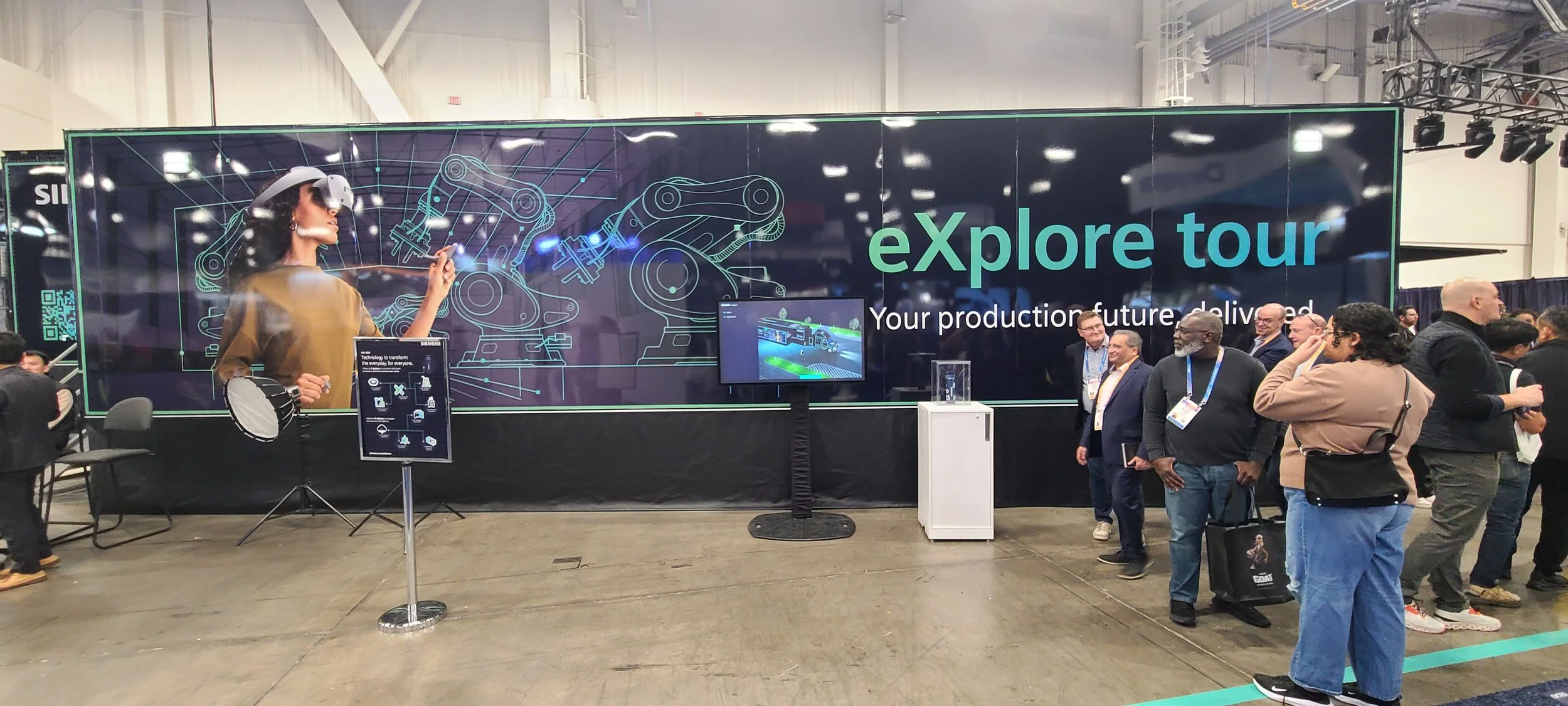
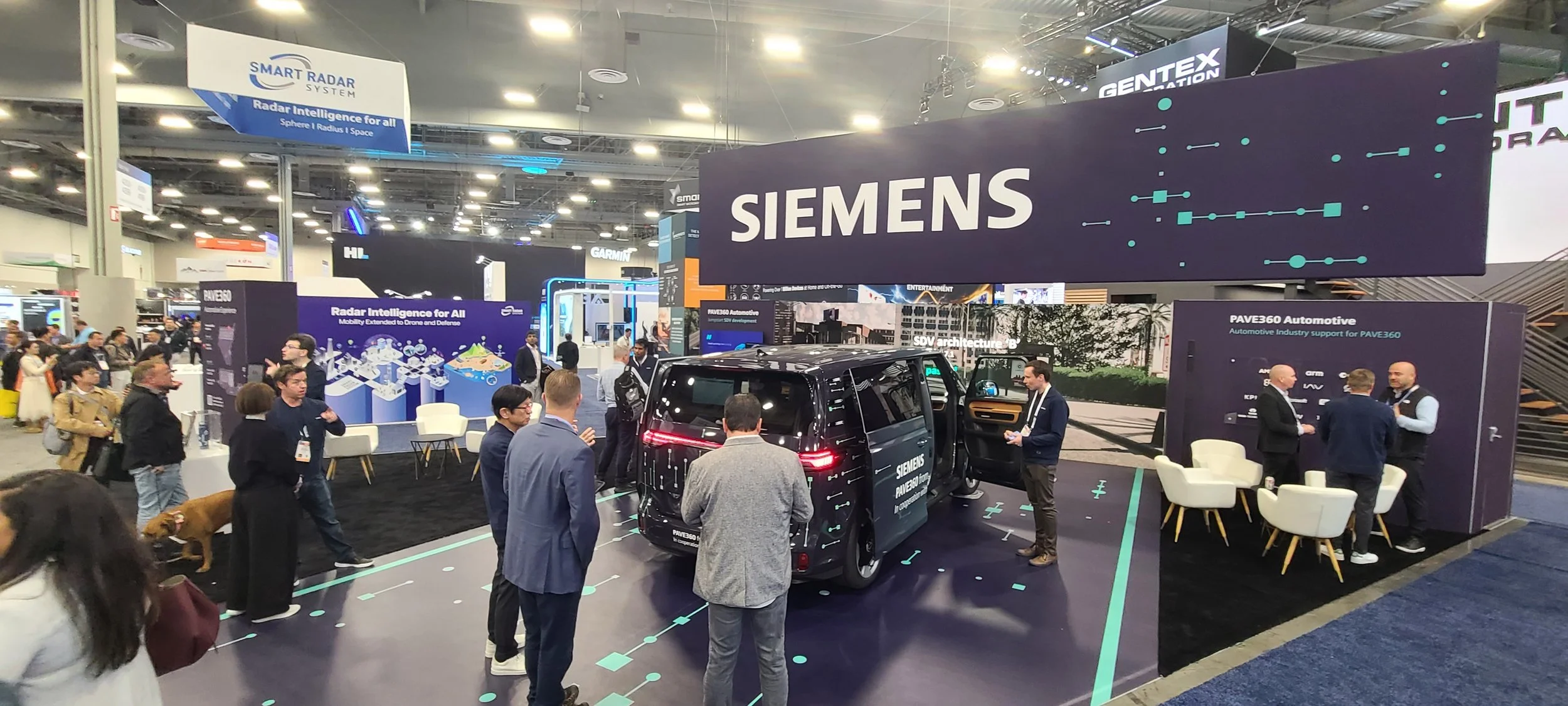
CES 2026 wasn’t confined to the Las Vegas Convention Center. Forward-thinking brands used the city itself as a canvas. Brands like Siemens extended their keynote narratives throughout Las Vegas, into satellite activations, partner showcases, and experience zones that reinforced their product ecosystems in real-world contexts. These multi-site activations blurred the line between conference and cultural event, letting attendees engage with tech stories outside of the traditional booth perimeter.
Why this matters: Immersive marketing is no longer about the size of your booth, it’s about the breadth of your presence. When brands create experiences that extend throughout the host city, attention spans are captured on the way to and beyond the scheduled headline sessions.
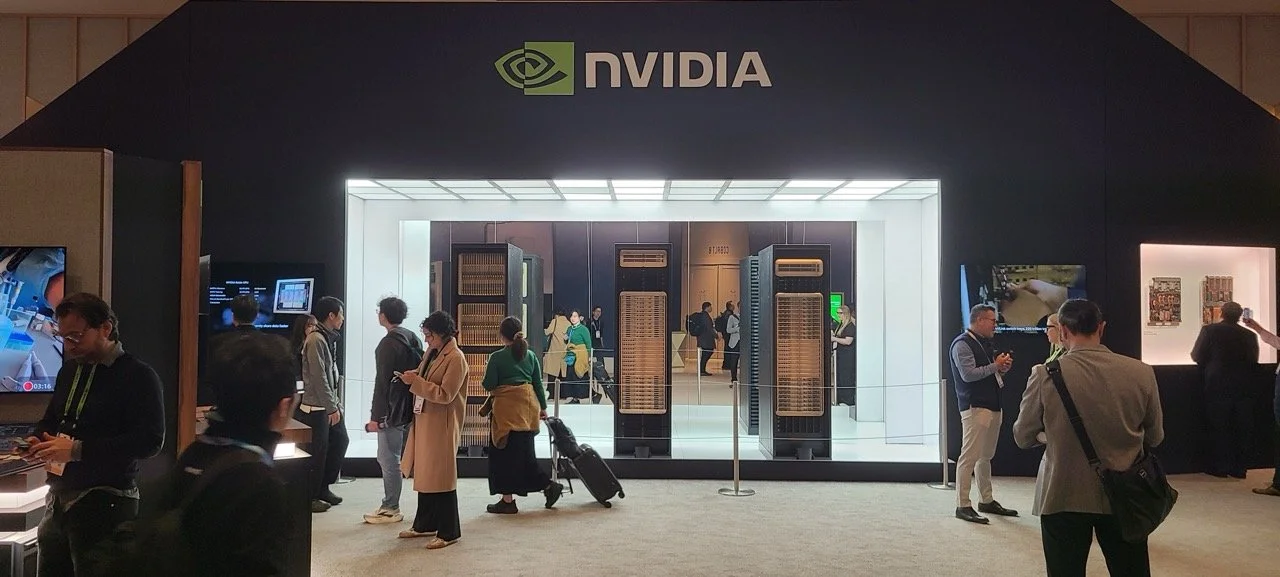
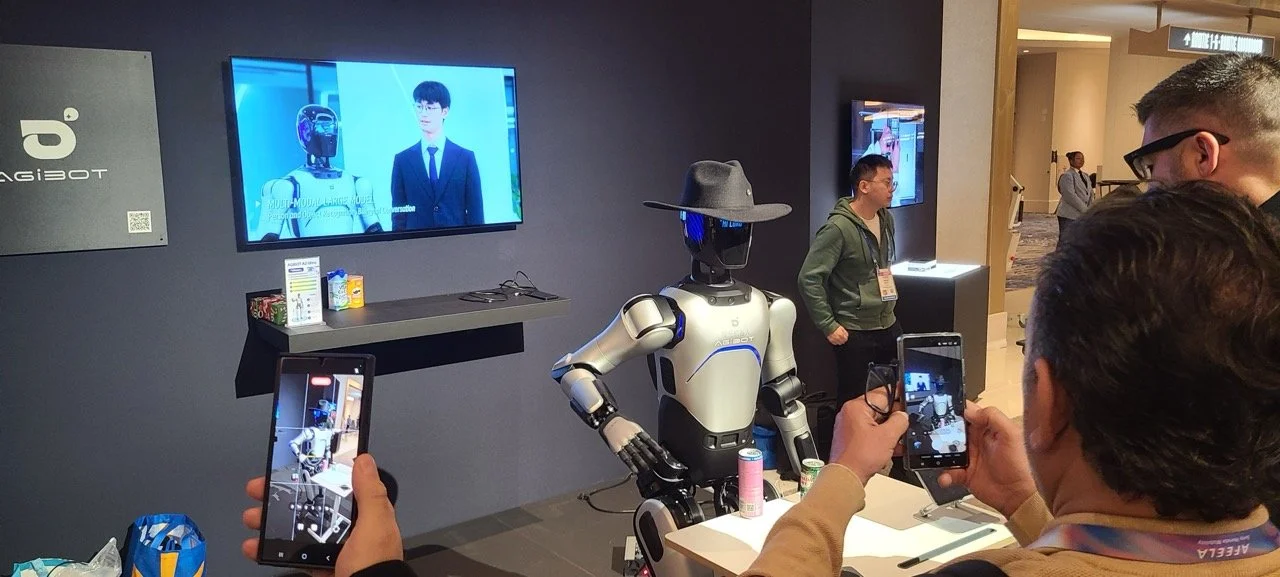
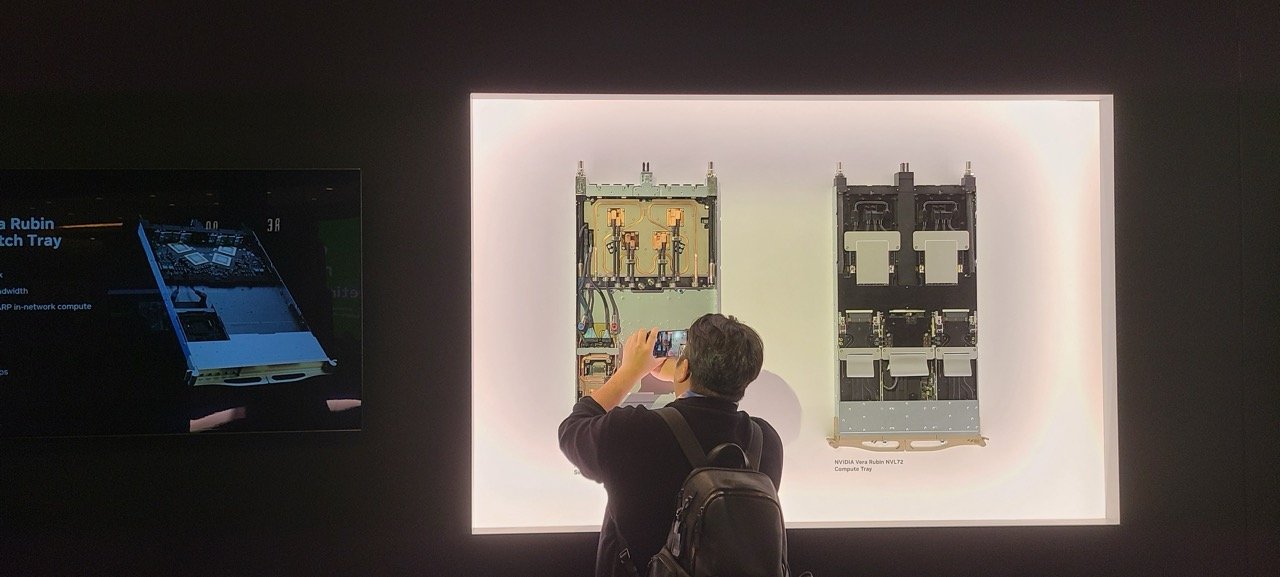
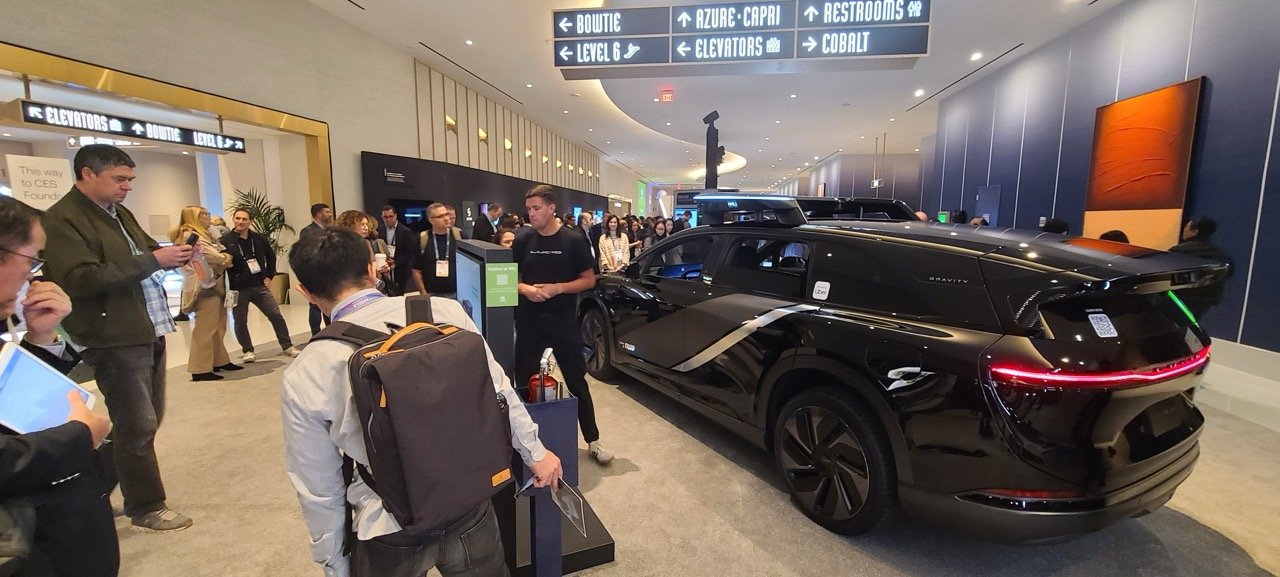
2. NVIDIA was EVERYWHERE... Including your itinerary
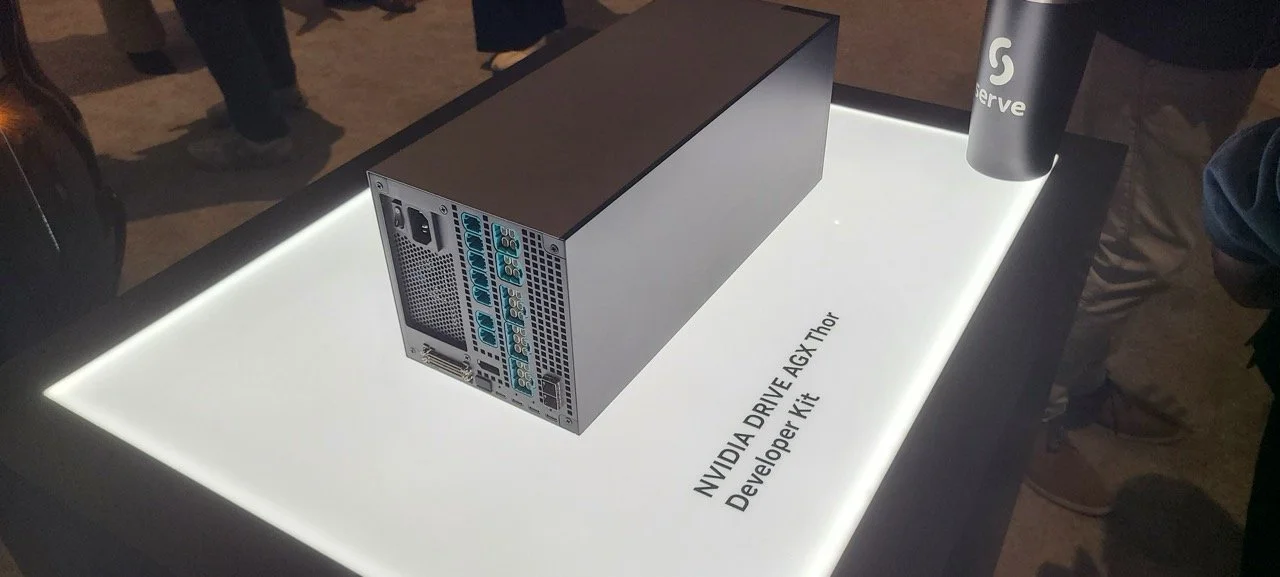
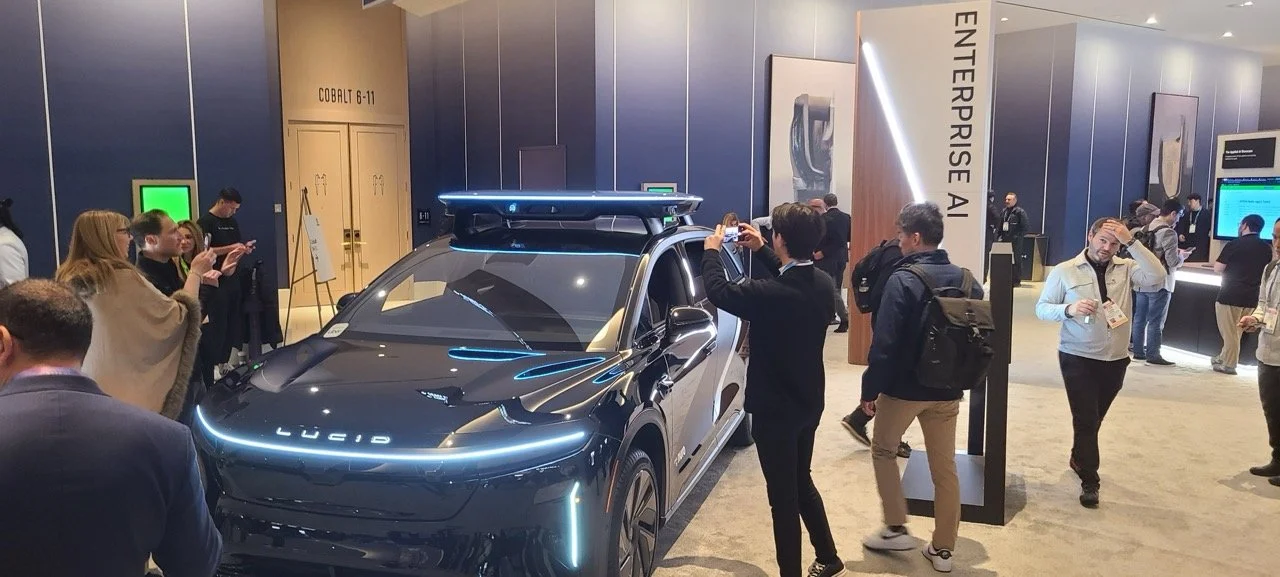
At CES 2026, NVIDIA didn’t just hold another keynote, they made the show itself an interactive adventure. Jensen Huang’s keynote set the tone for a broader industry focus on “physical AI,” next-gen architectures, and robotics.
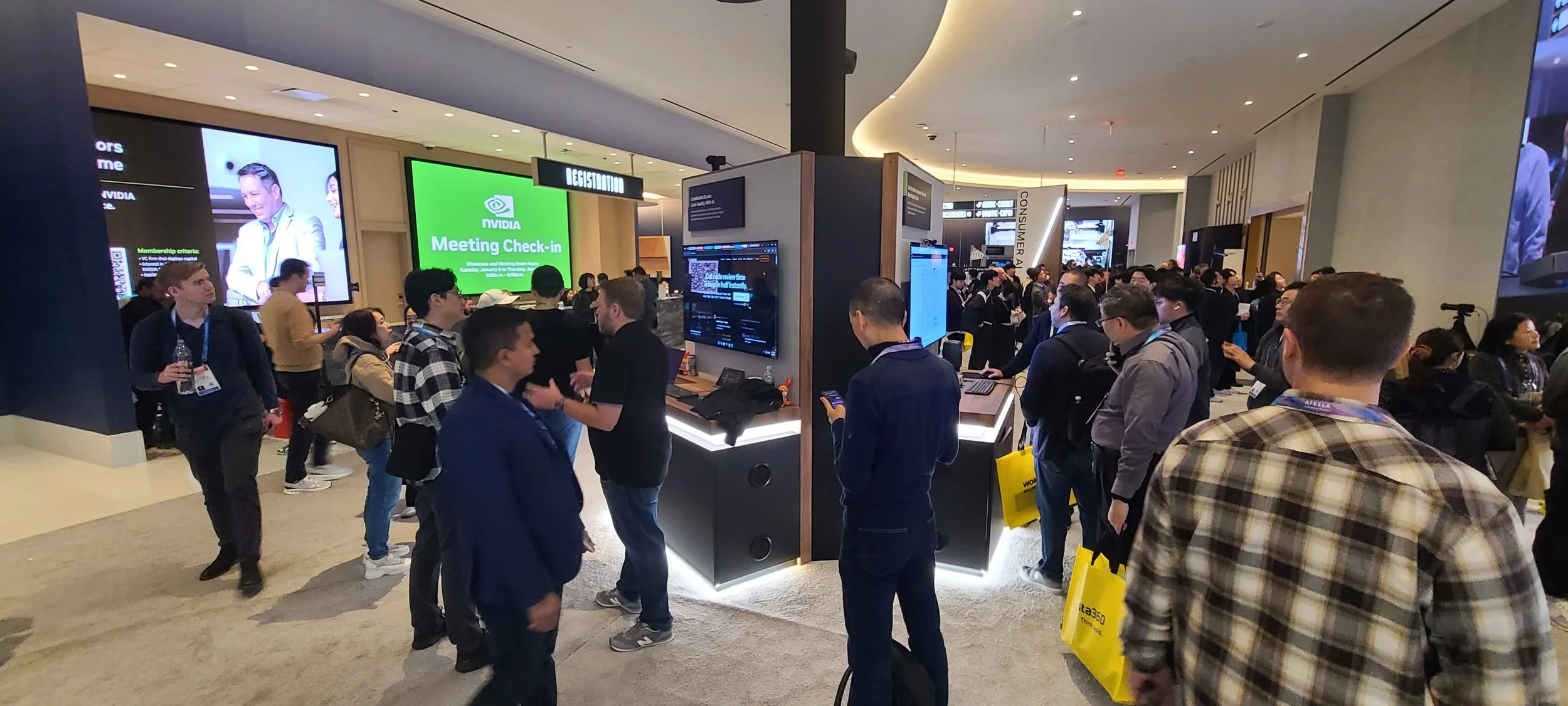
But the attention-grabber for many on the show floor was NVIDIA’s “Explore to Win” citywide scavenger hunt at the Fontainebleau and participating partner booths. Attendees were encouraged to scan “green NVIDIA partner” signage across the expo halls and city locations for a chance at prizes ranging from branded gear to top-tier GPUs signed by Huang himself.
I found myself seeking partner stickers almost as instinctively as I checked my DMs, proof that the hunt was sticky. It wasn’t just gamification; it was a clever way to drive awareness and engagement in a sea of booth possibilities and demonstrate the breadth of the NVIDIA ecosystem.
Why this matters: Great branding doesn’t just announce presence, it pulls users through a journey of interactions, bringing incredible synergistic-value to your sponsors and partners.
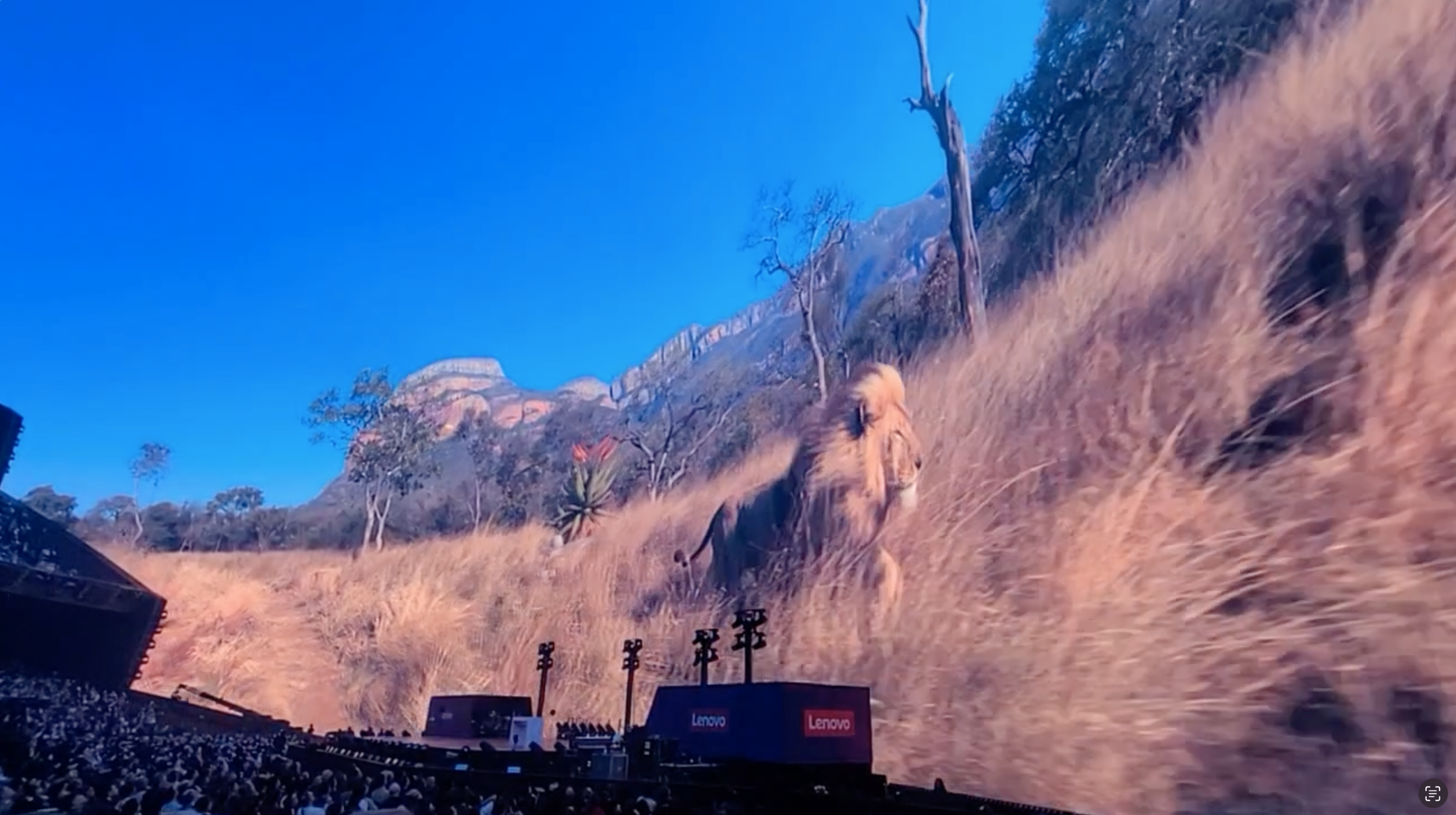
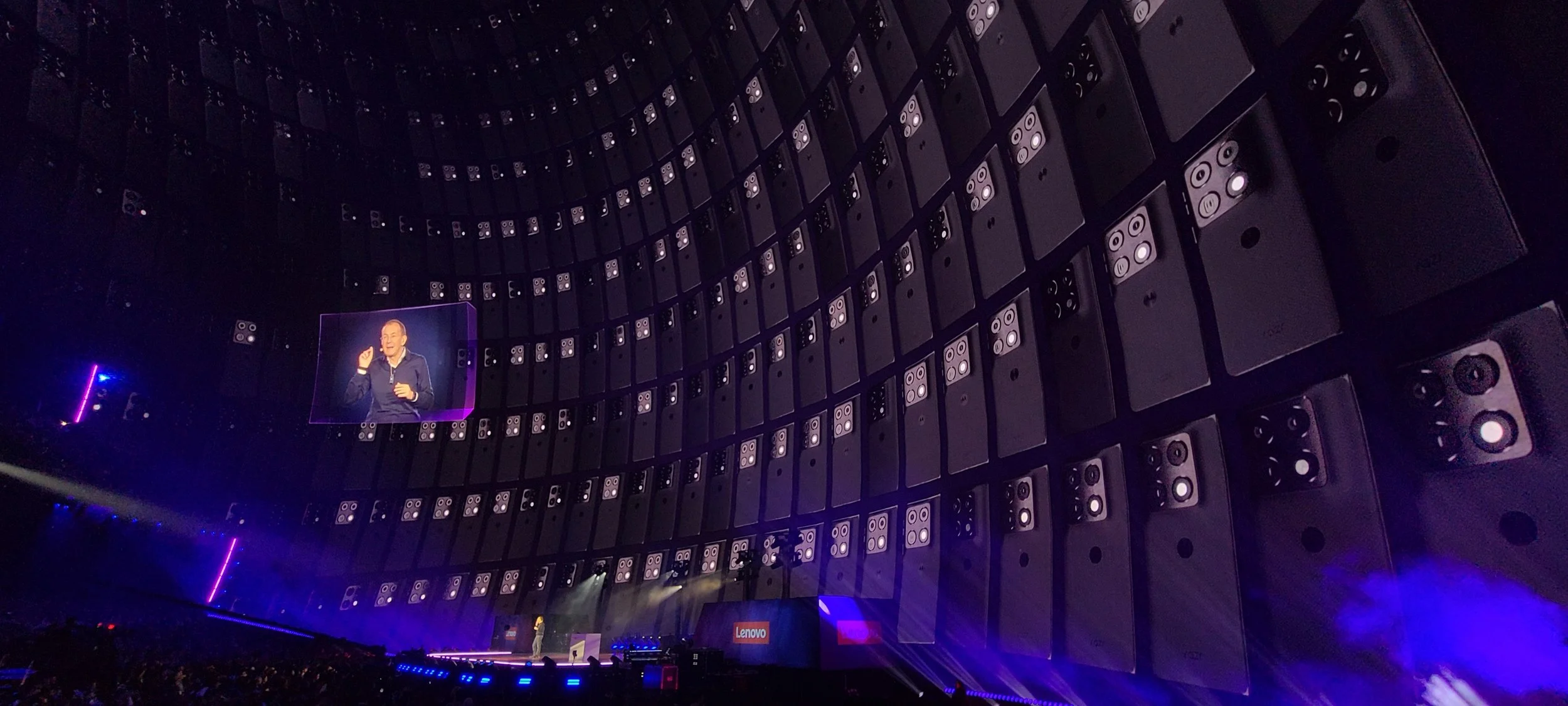
Lenovo keynote at CES 2026
3. Immersive storytelling takes center stage: from Lenovo’s Sphere Keynote to LEGO’s Galaxy-Scale activation
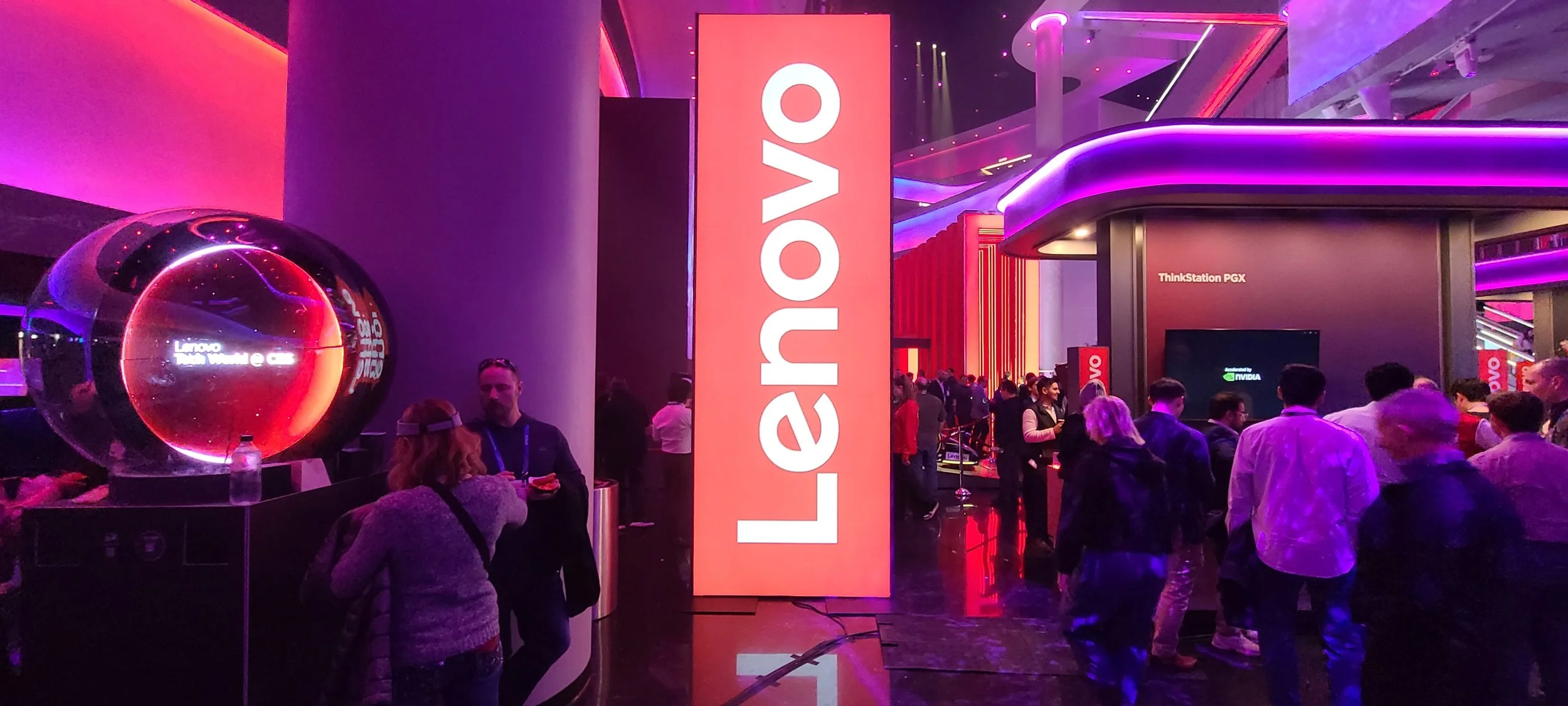
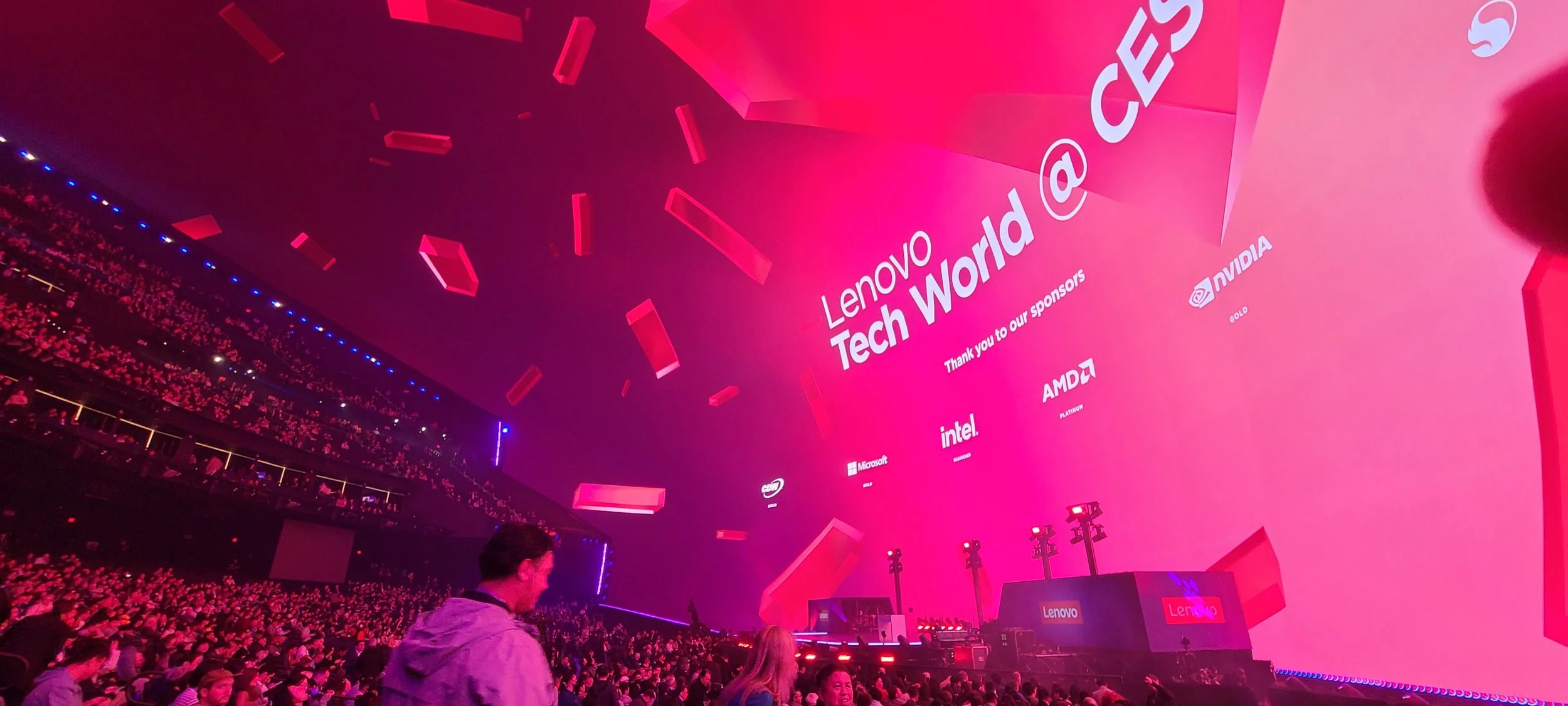
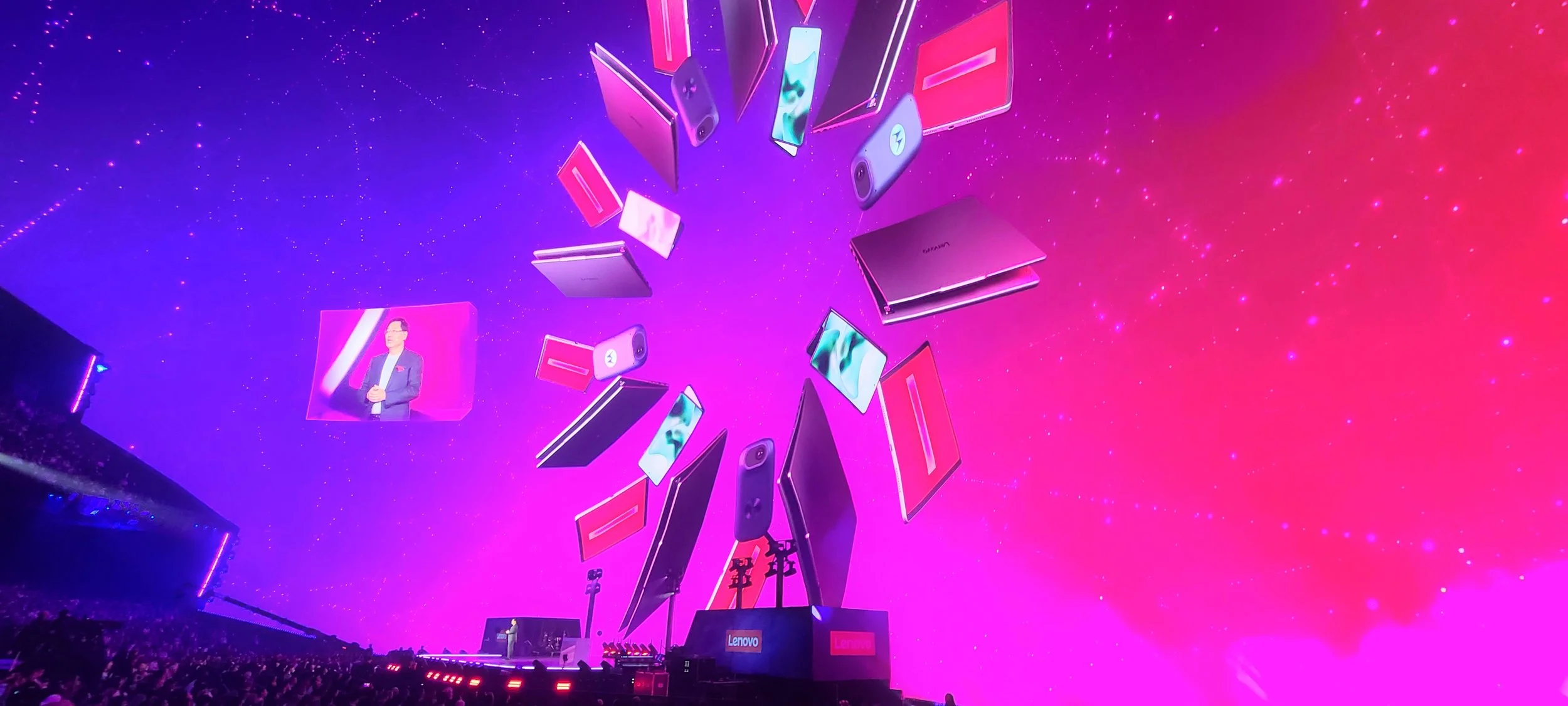
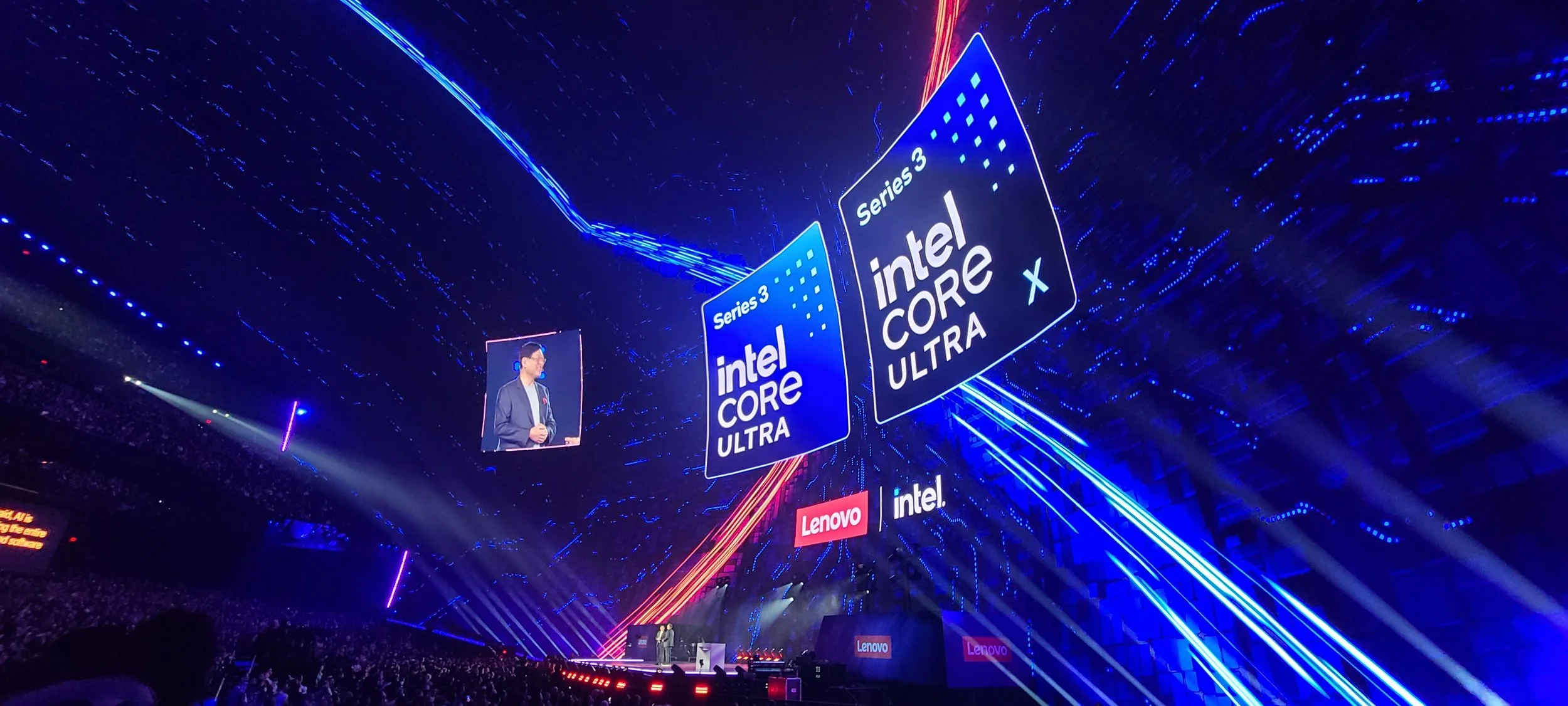
One of the biggest departures from the traditional keynote backdrop was Lenovo’s annual Tech World event, held at the Sphere in Las Vegas, which has the highest-resolution LED canvas in the world. Instead of a typical hotel ballroom or expo ballroom stage, 17,000 attendees were wrapped inside a vast 16K x 16K resolution, overwhelming visual environment, that turned product reveals into cinematic experiences, with lasers, spatial sound, and narrative storytelling that went far beyond slides. The two-hour presentation delivered by Lenovo’ chairman and CEO Yuanqing Yang, shared a vision for Hybrid AI, new personal AI platforms, and next-gen devices, alongside a lineup of industry leaders including Jensen Huang (NVIDIA) and Dr. Lisa Su (AMD).
But the immersion didn’t stop there. Over the same week, LEGO transformed the Sphere itself into a Star Wars experience to celebrate the launch of LEGO SMART Play, a new interactive play platform that brings physical creations to life with sound, sensors, and wireless interactivity. In collaboration with Disney Consumer Products, Lucasfilm, and Sphere Studios, the 580,000-square-foot exterior Exosphere was reimagined as a LEGO-built Death Star, with visitors hopping into a giant LEGO X-Wing cockpit to reenact the iconic trench run live on the massive display, a first-of-its-kind interactive game played on the world’s largest LED screen at CES 2026.
Why this matters: If product storytelling increasingly needs scale, context, and emotional impact to stick, immersive environments like The Sphere are the future of keynote design and experiential activation execution.
Watch Lenovo’s CES 2026 Sphere keynote: Lenovo Tech World @ CES 2026
4. The hype evolved: from LLMs to anthropomorphic AI
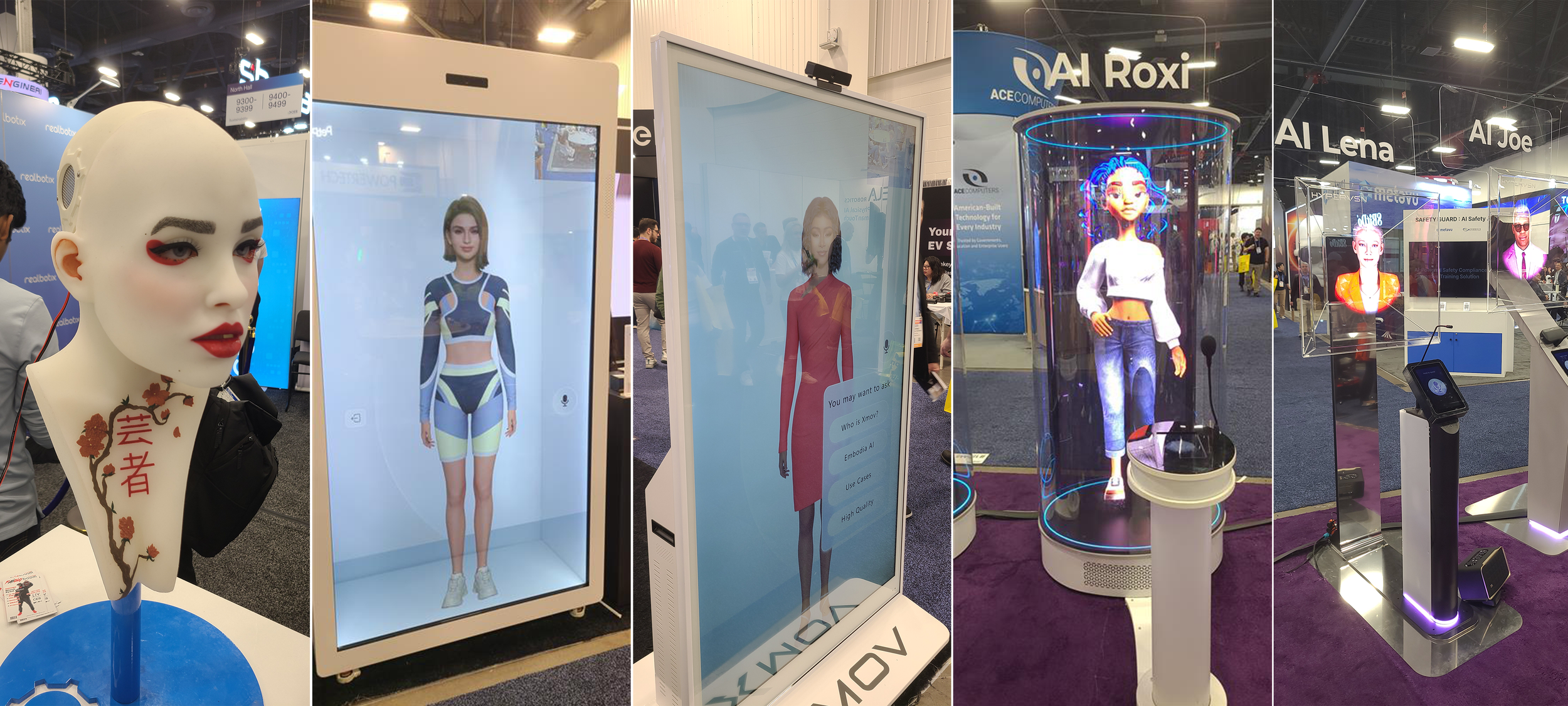
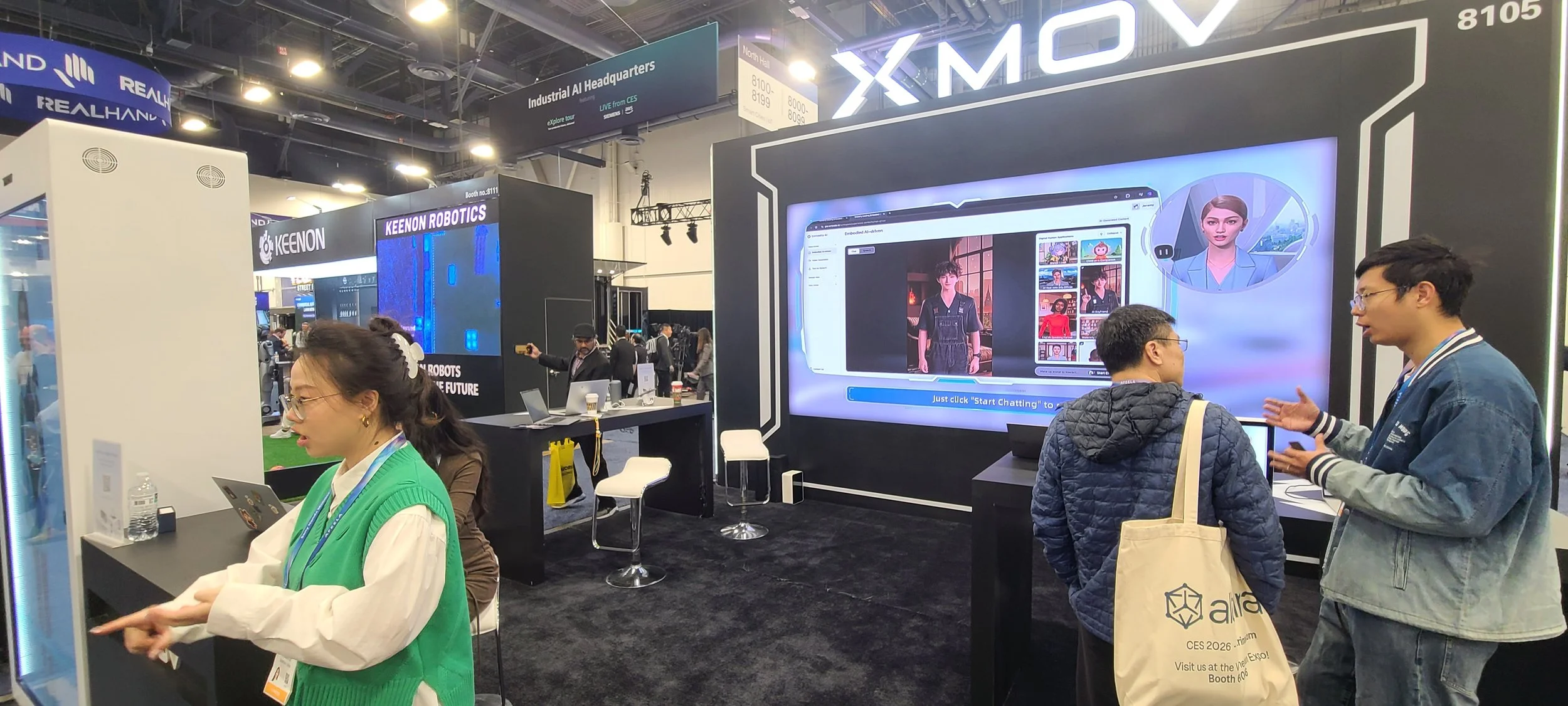
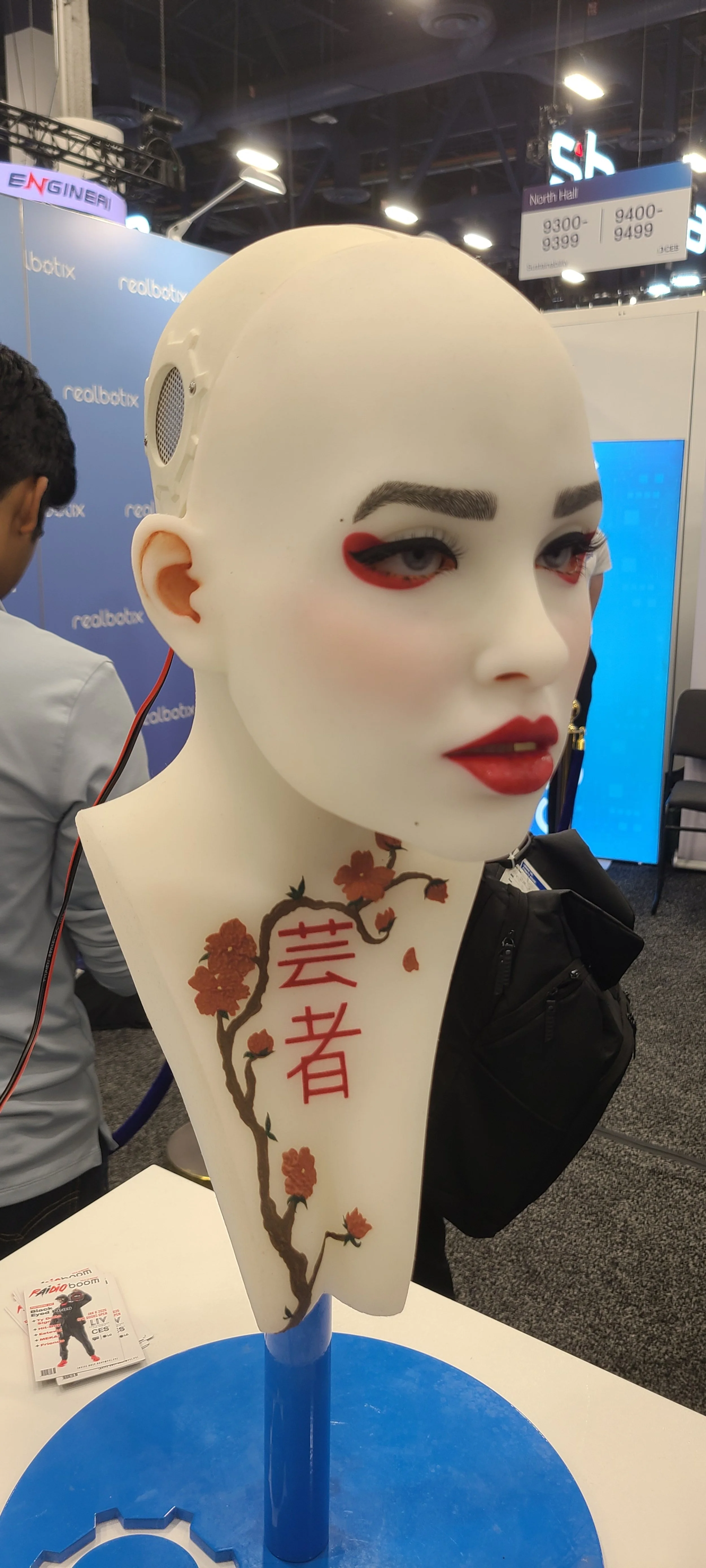
AI at CES 2026 felt less like a distant promise and more like an embodied reality. While generative models have dominated headlines for years, this CES placed a stronger emphasis on AI that interacts like a person, not just speaks like one.
Countless booths featured avatar-style assistants and virtual humans, blending chatbot interactivity with expressive 3D characters and displays that invited two-way dialogue (sometimes even mirroring human mannerisms). This trend toward anthropomorphic AI isn’t simply aesthetic, it’s meant to create emotional connection and intuitive interaction.
Why this matters: As AI becomes ubiquitous, human-centered experiences, especially those that feel relatable, will be key to adoption and retention.
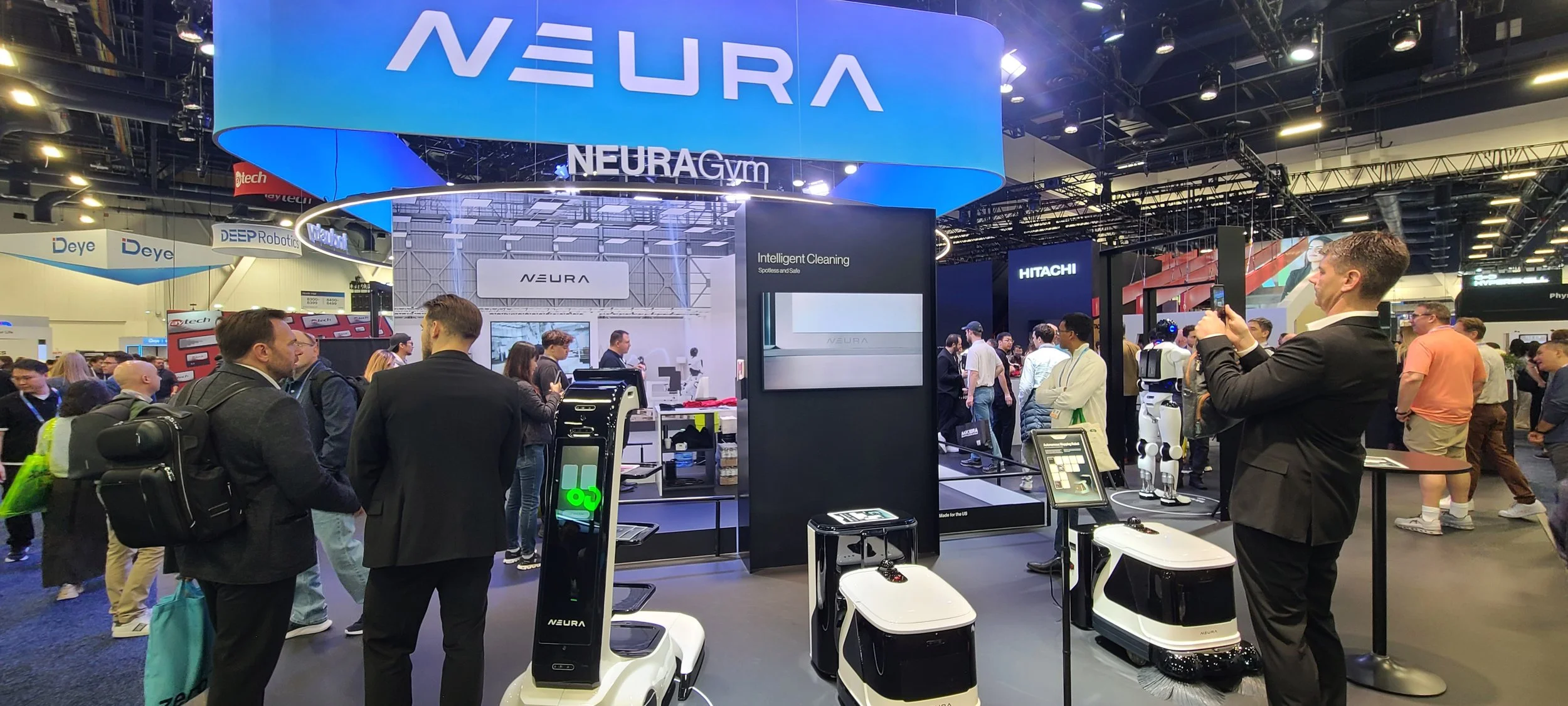
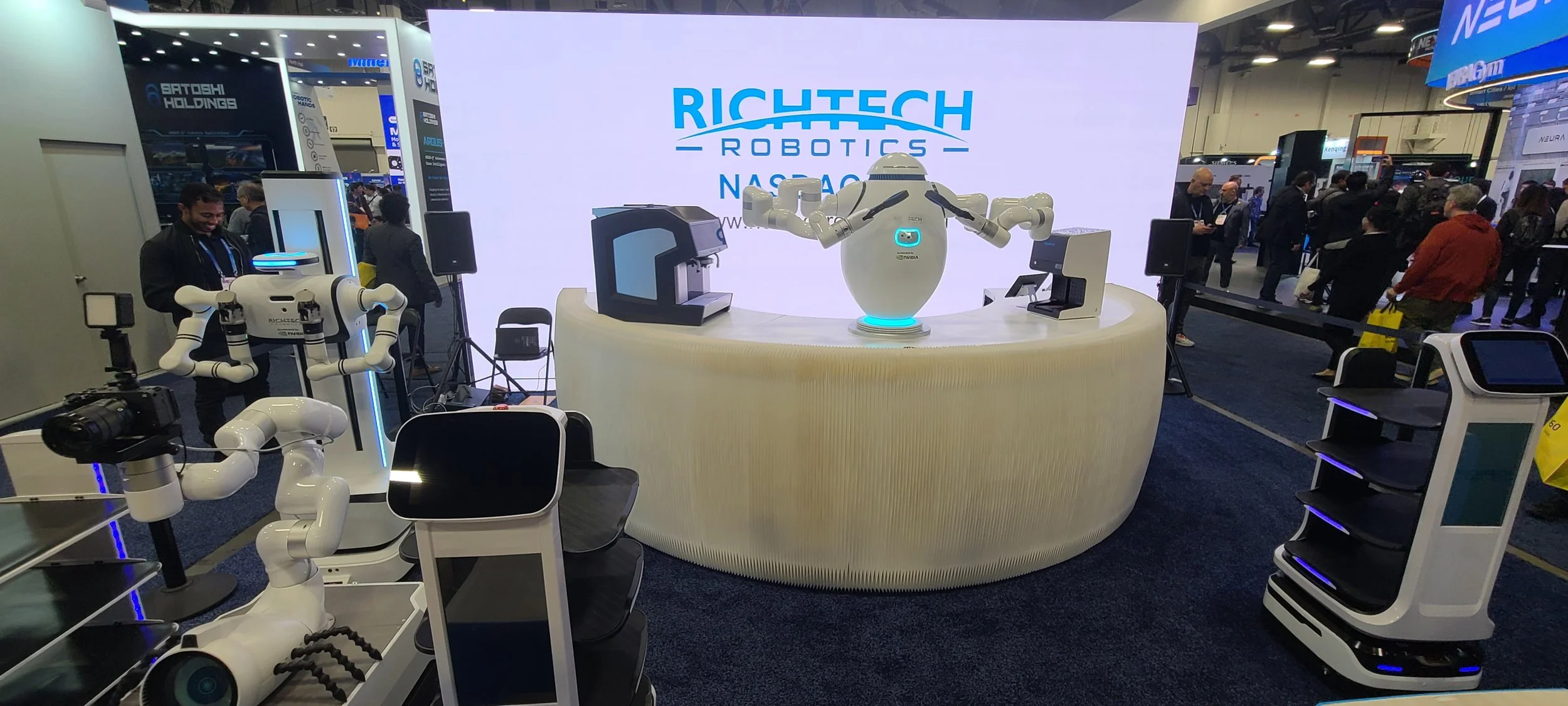
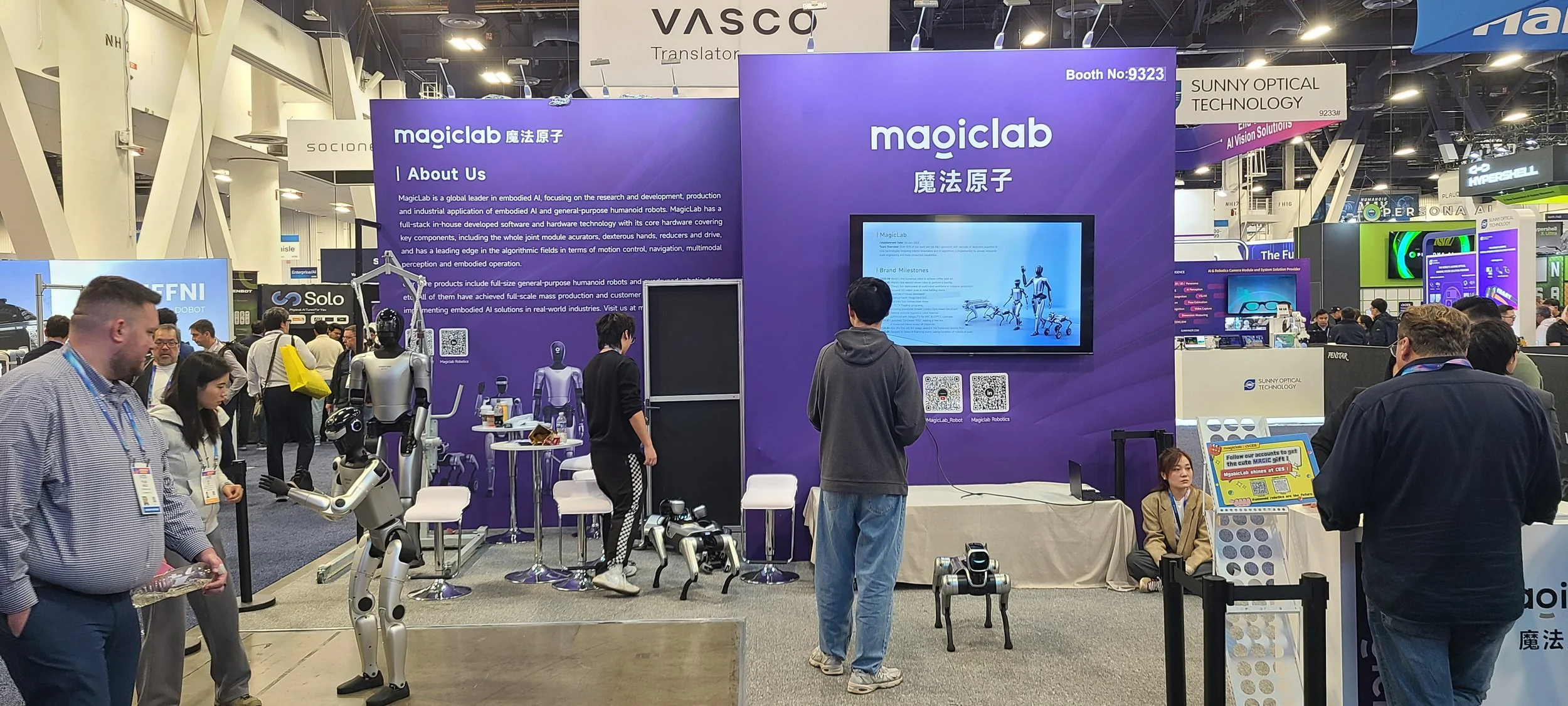
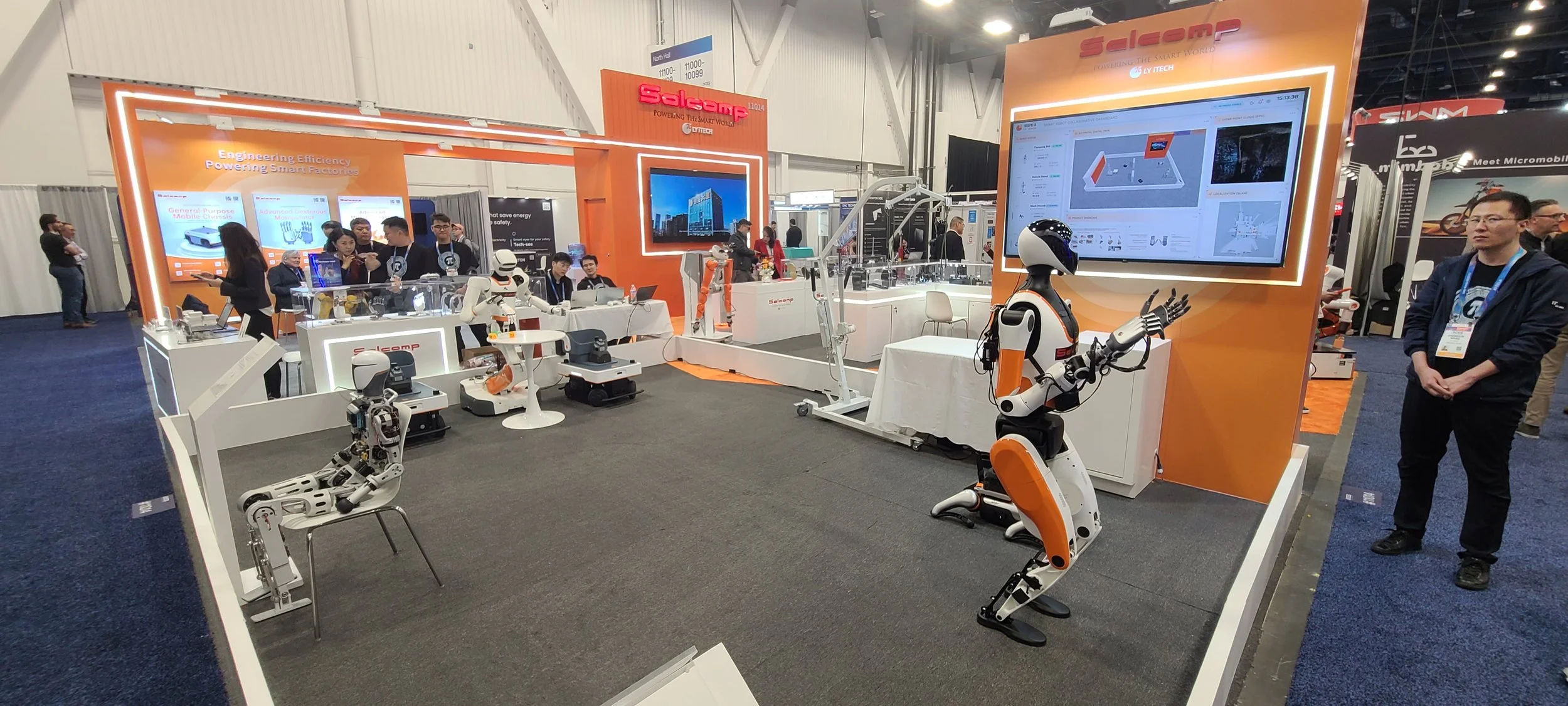
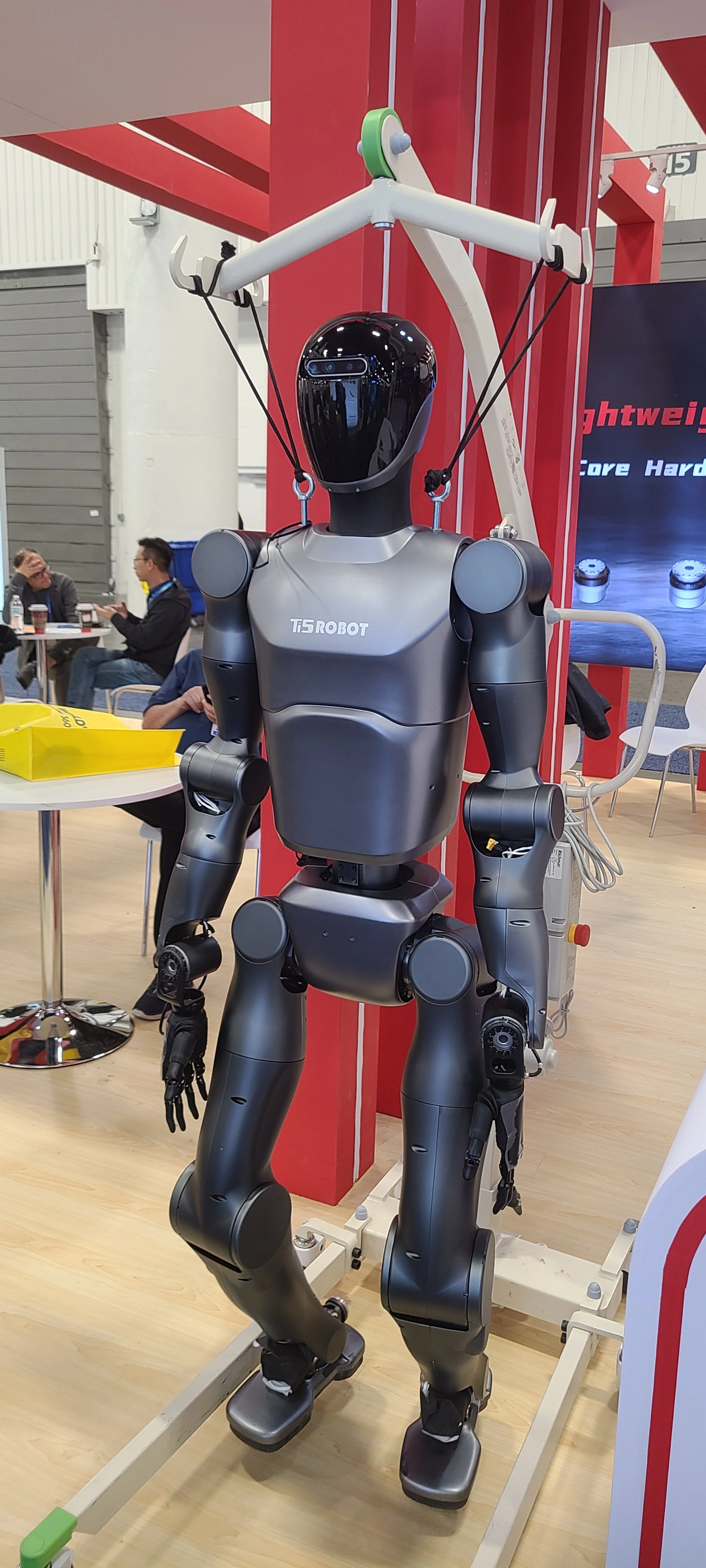
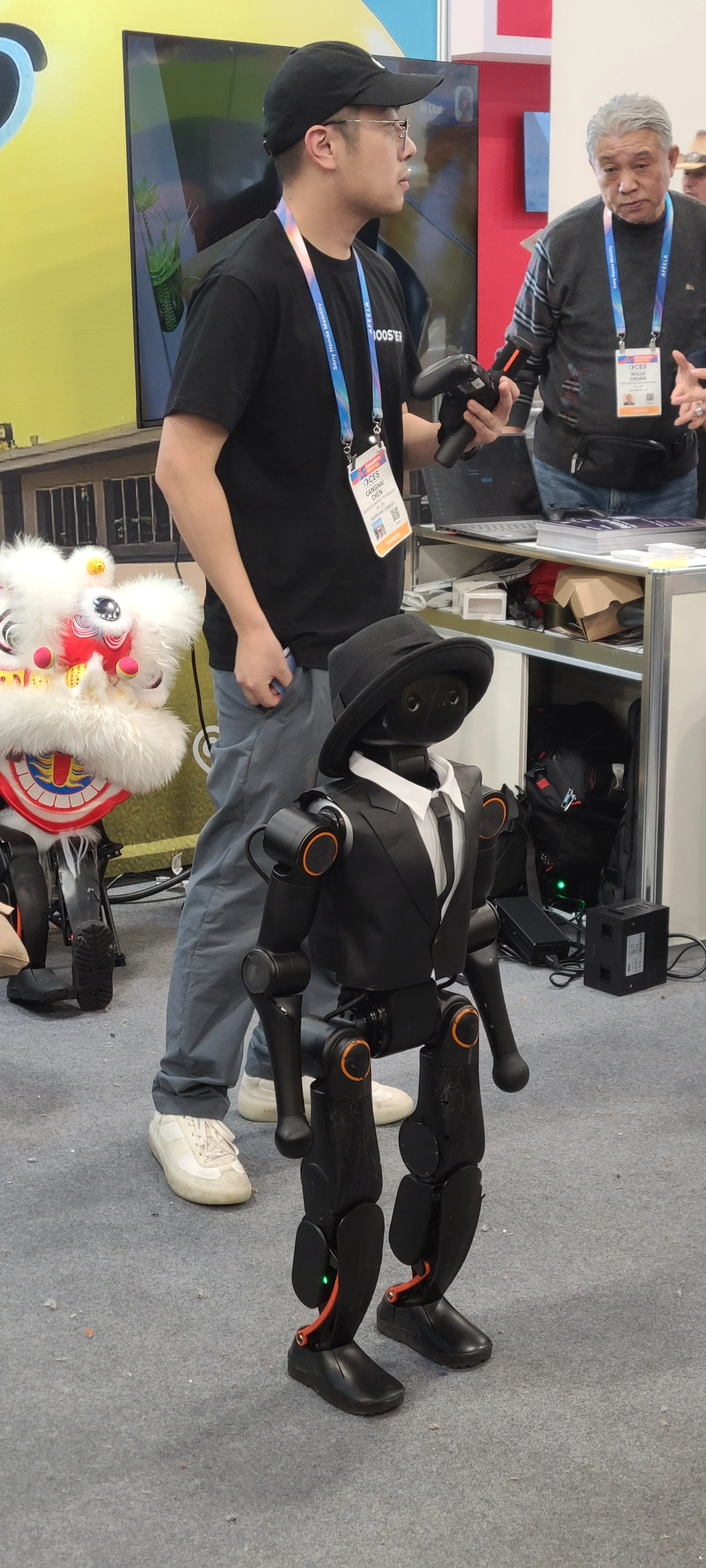
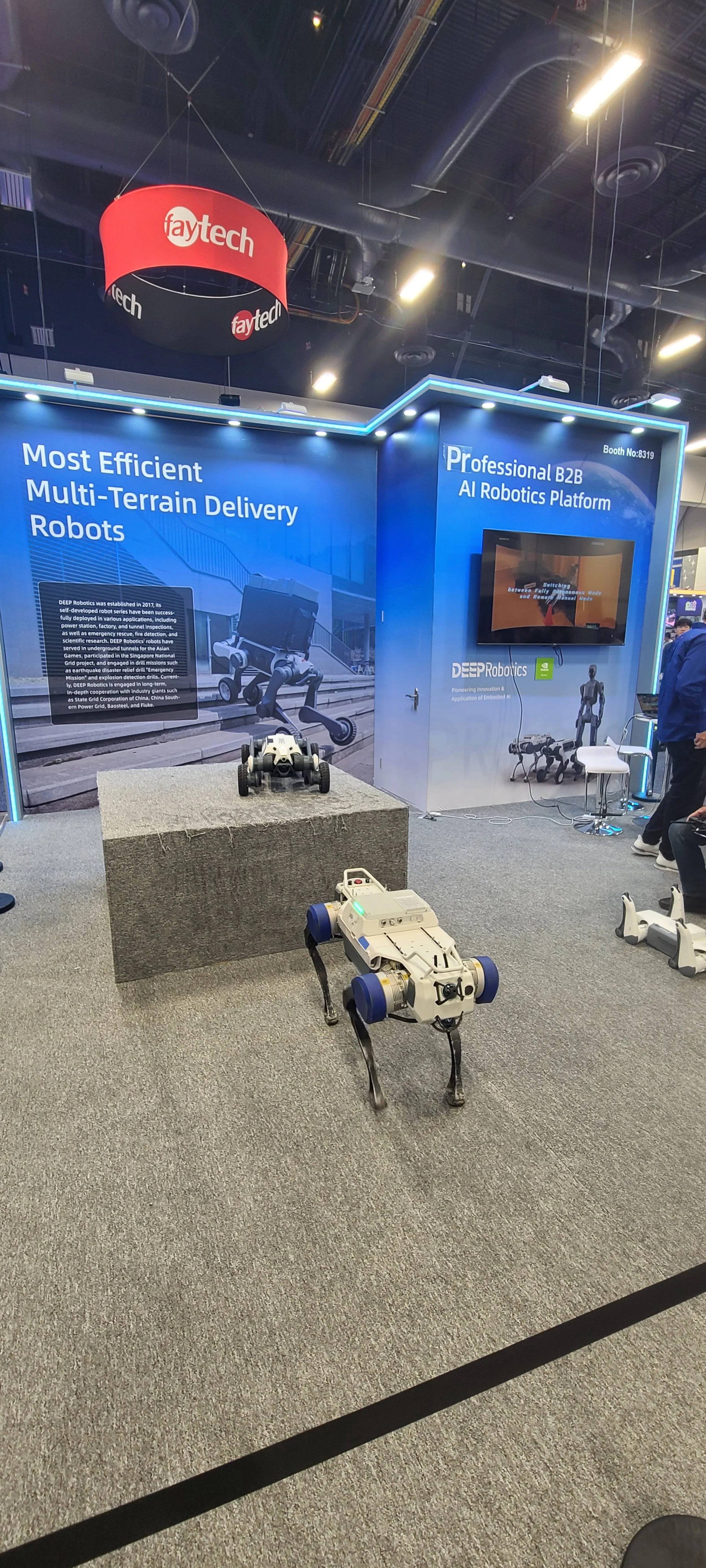
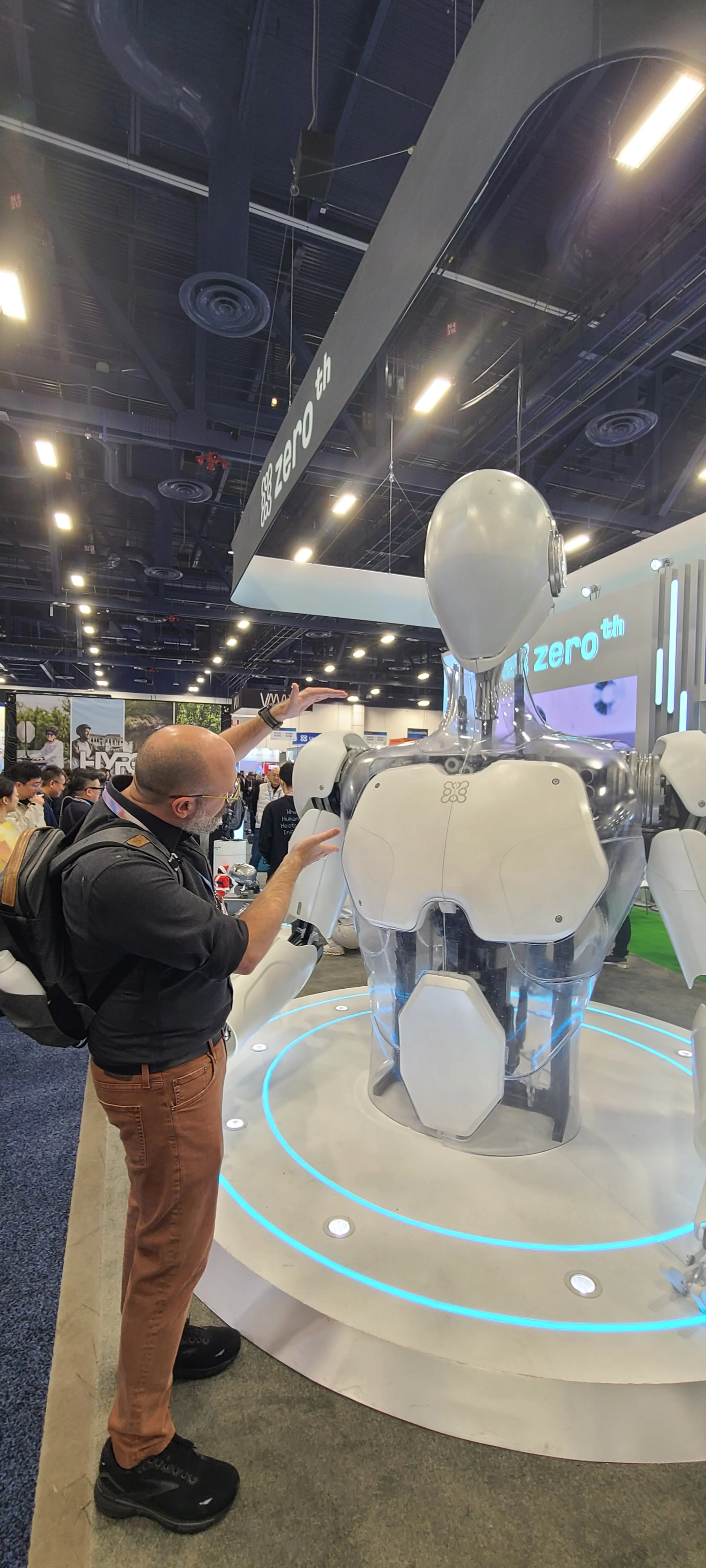
5. The year of Physical AI: robots, autonomous systems, and real-world intelligence
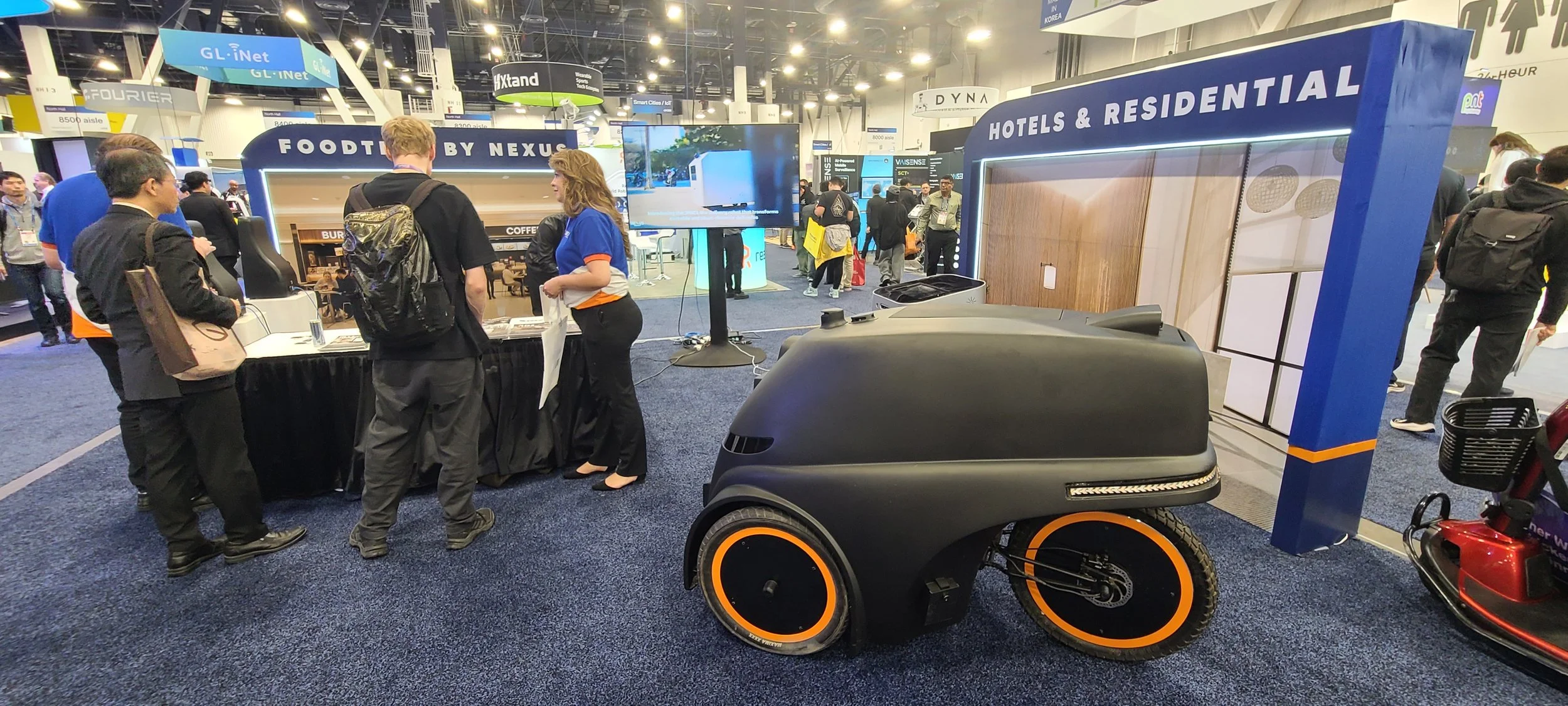
For CES 2026, one of the most repeated phrases among press and exhibitors alike was “physical AI”, referring to AI systems that not only compute but act in the real world. The shift from screen-bound models to embodied intelligence was apparent everywhere:
· Humanoid robots and autonomous machines that perceive and navigate spaces.
· Industrial and home robots demonstrating real-world tasks.
· AI in vehicles, smart environments, and wearables that interpret sensor data locally and responsively.
This trend underscores a core takeaway: AI is no longer just a software layer, it’s being baked into the physical fabric of products and services.
Why this matters: As AI transcends screens, user expectations shift from “can it compute?” to “can it operate?” a watershed moment in how we conceive of future devices.
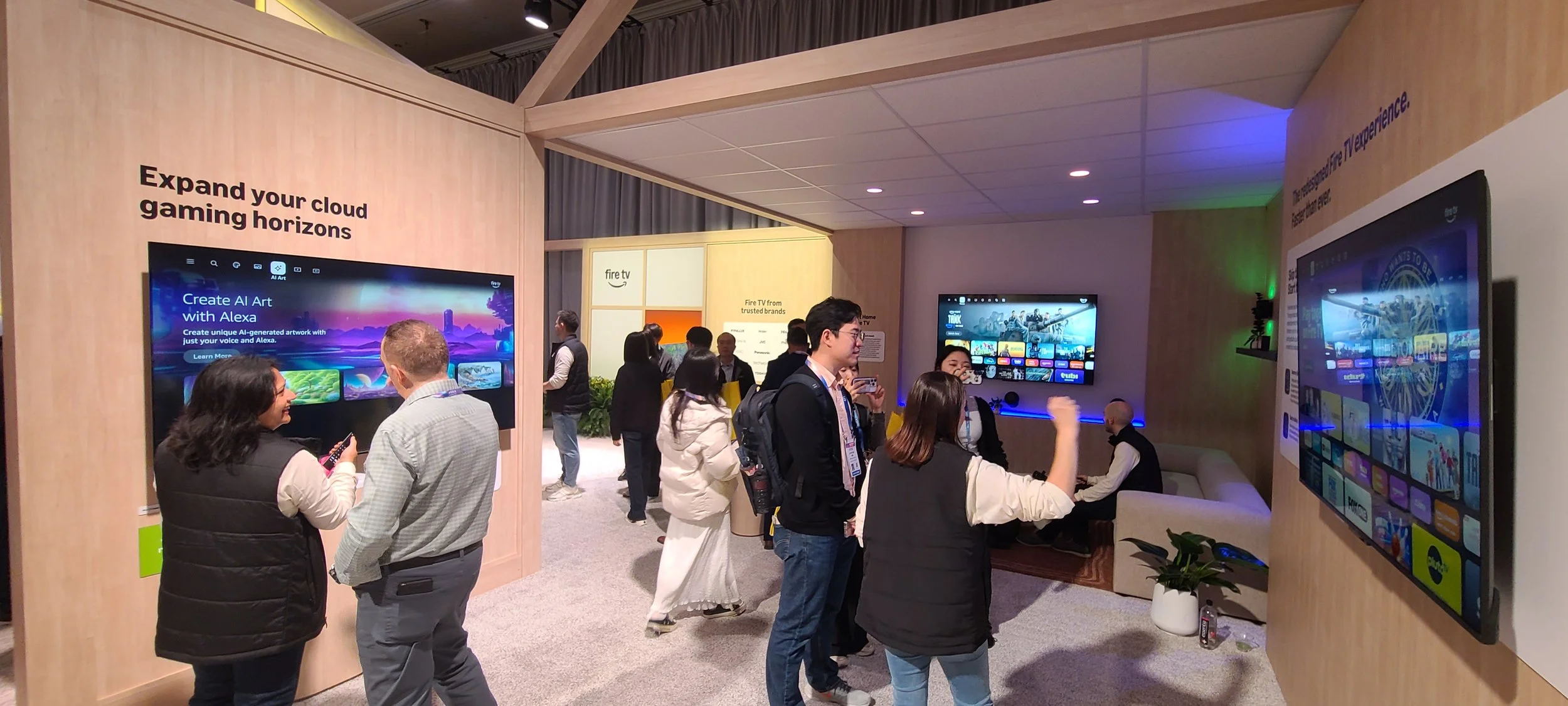
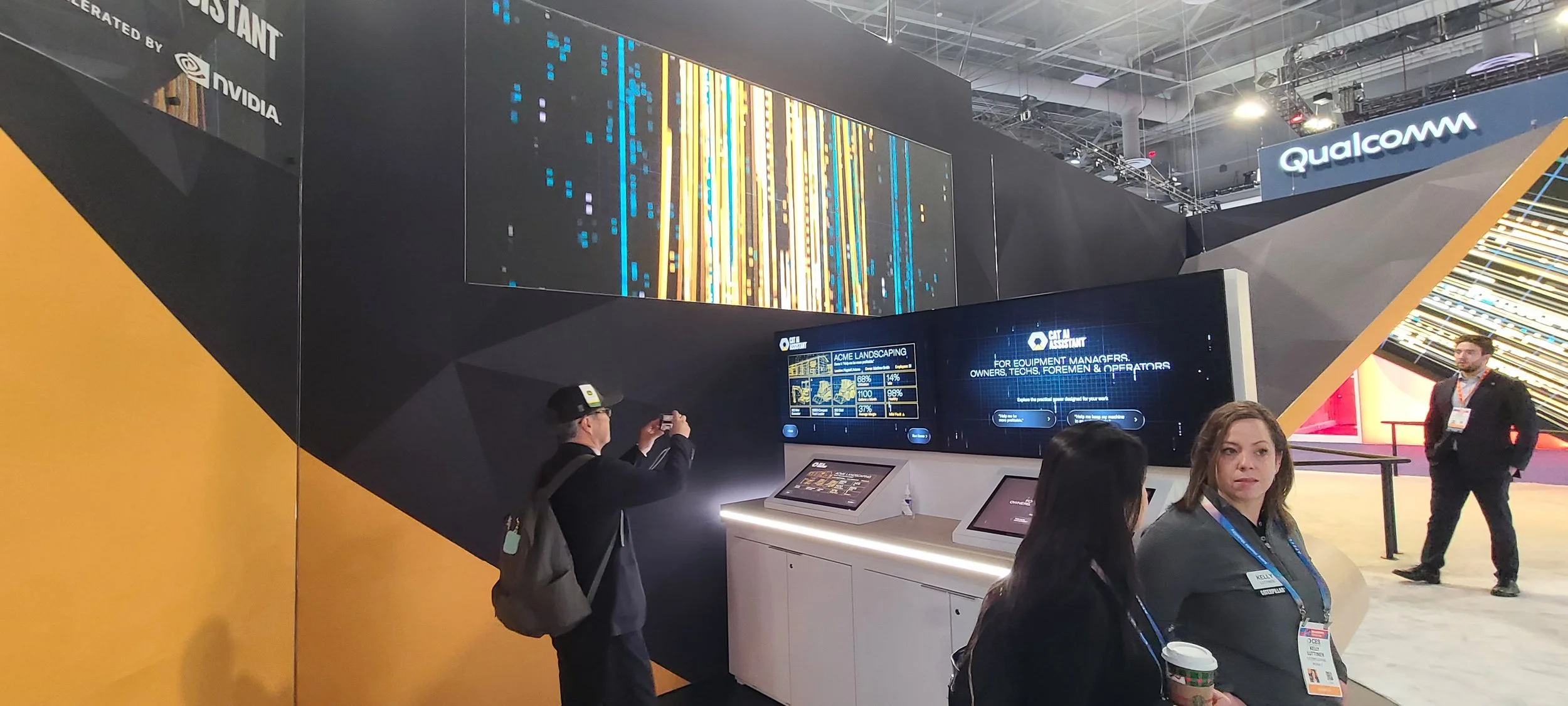
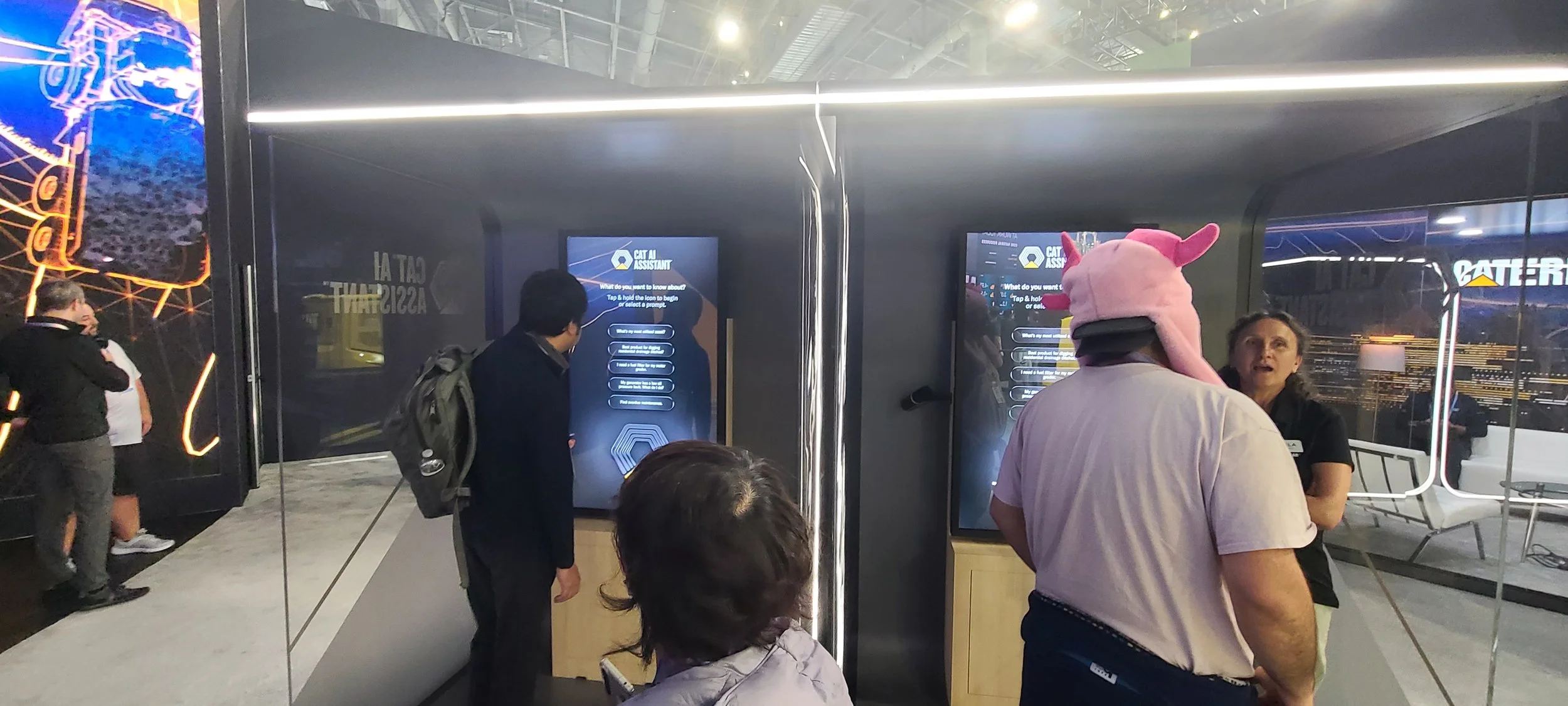
6. Self-service interactive displays: playful, personalized, and memorable
One of the most fun (and telling) moments on the show floor came from interactive display tech that empowered attendees to become co-creators and crafted personalized experiences:
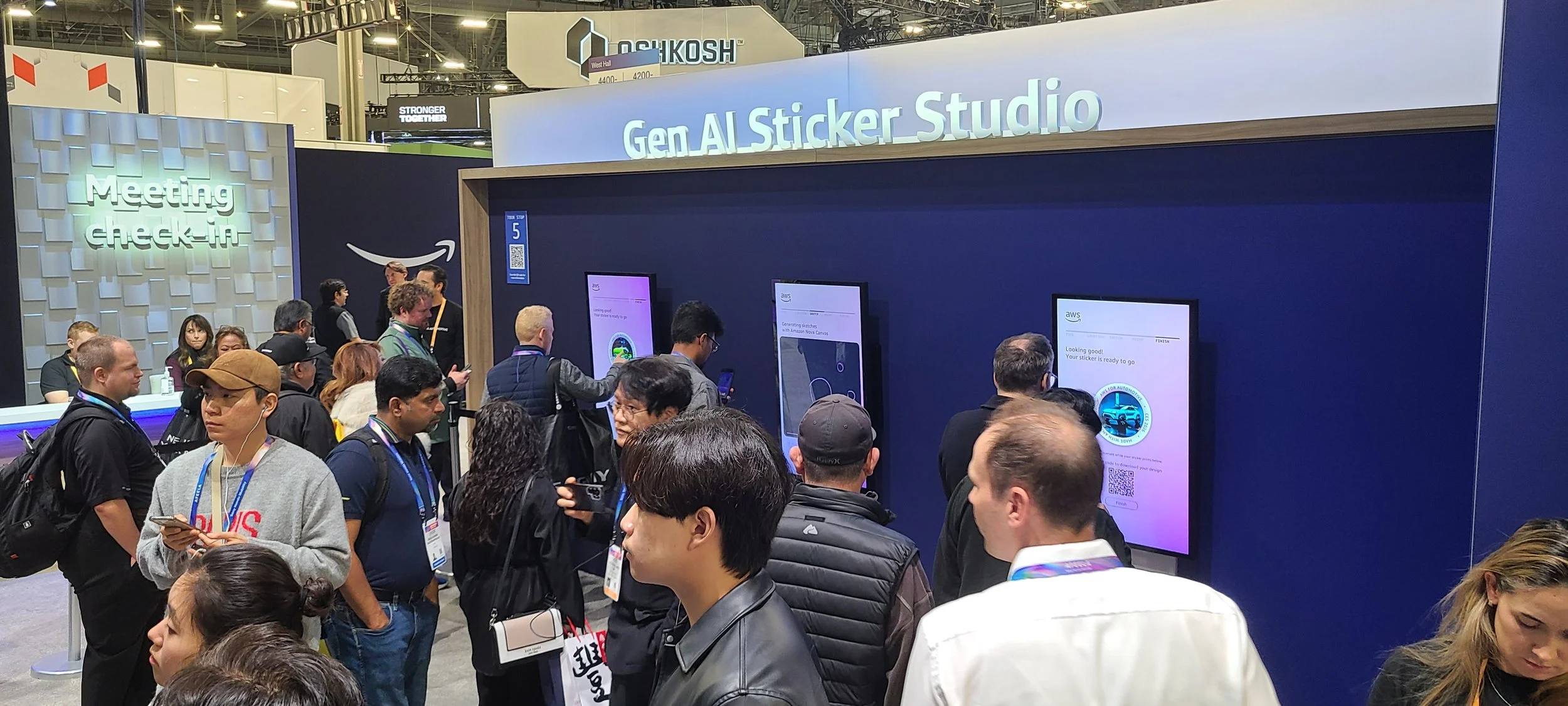
· Amazon used Gen-AI driven experiences via touch screens that let you build your own AI-generated vehicle, then walk away with a custom sticker of your creation.
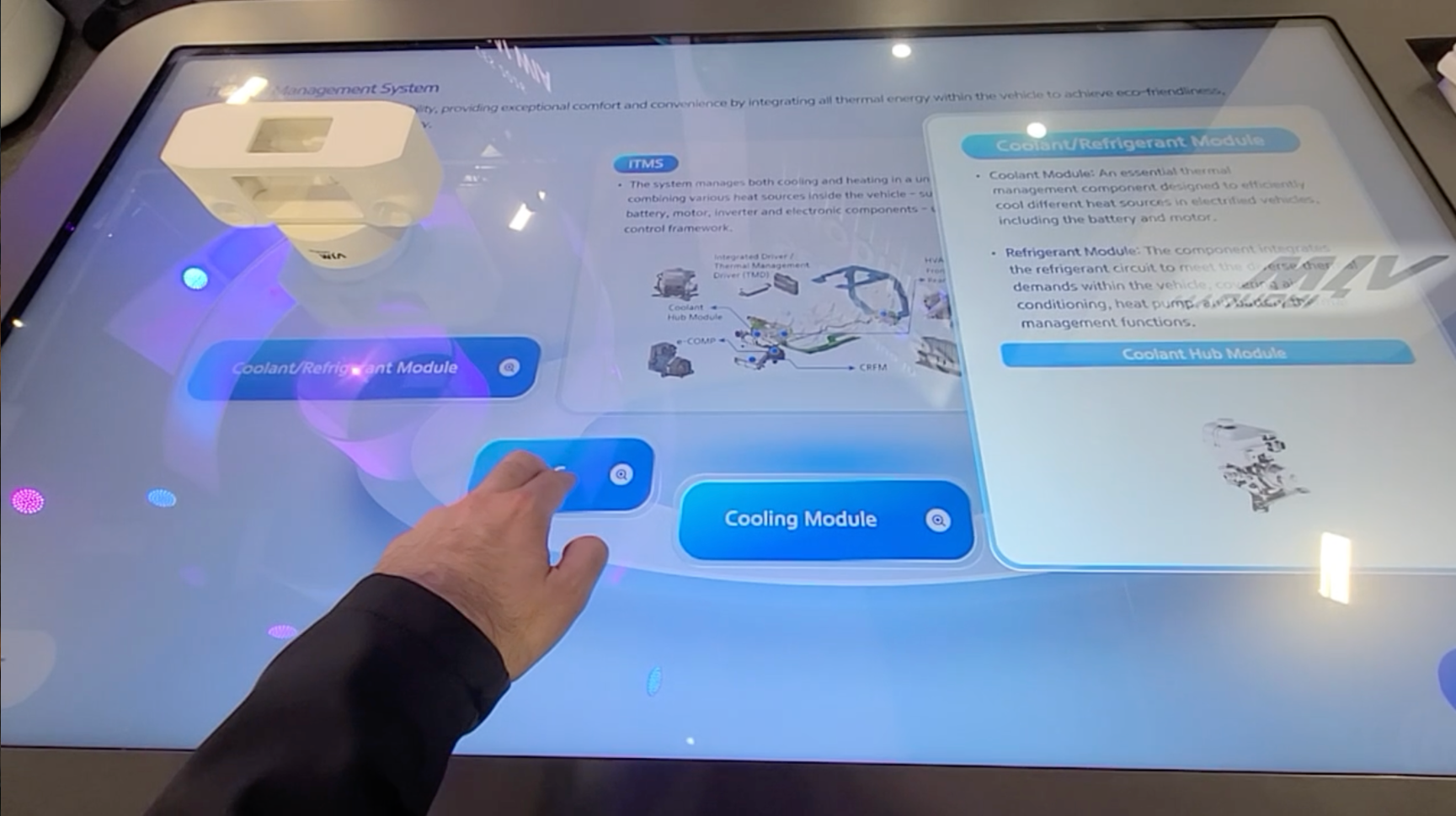
· At Hyundai Motor Group, an interactive tabletop display used physical objects with special markers to dynamically change visual content and explain the company’s solutions across public and private sectors.
· At AARP’s booth, which focused on how AI will shape the future of aging, featured groundbreaking holographic tech with advanced AI for real-time, multilingual conversations, bringing seniors closer to family and healthcare.
These experiences are more than bells and whistles, they reflect a broader shift toward user agency and self-directed exploration in booth design.
Why this matters: When attendees control the interface and contribute to the output, engagement, and recall, skyrockets.
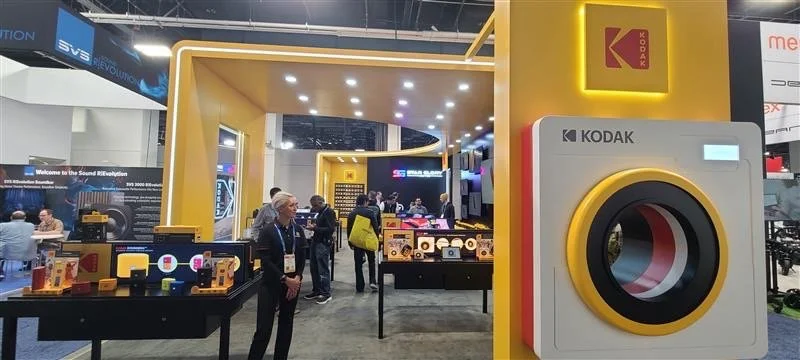
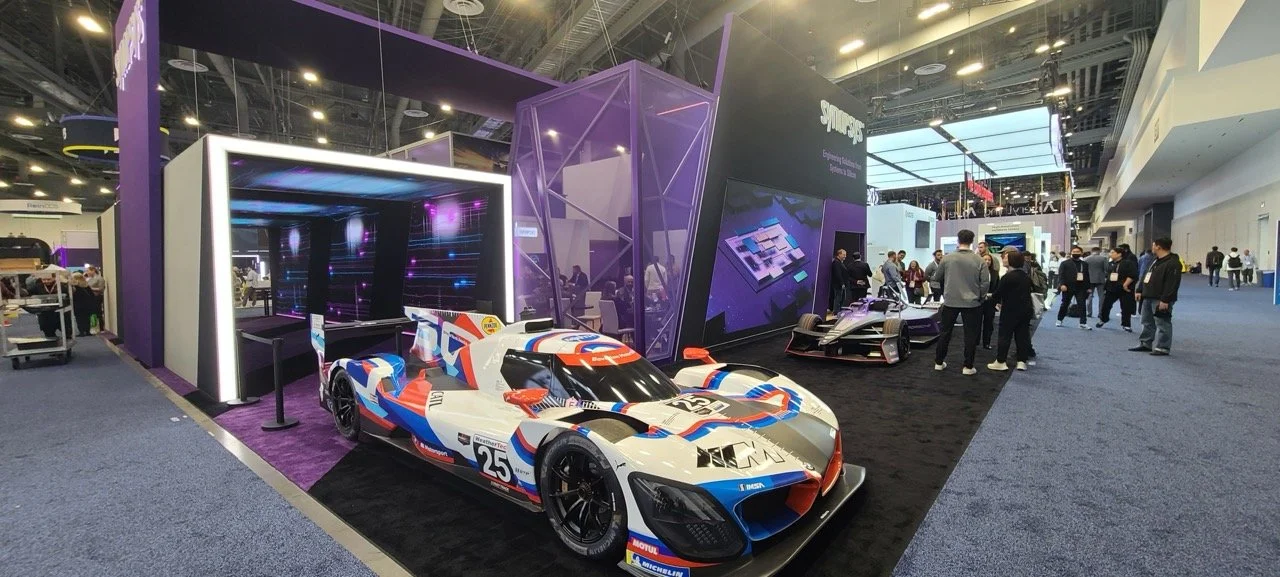
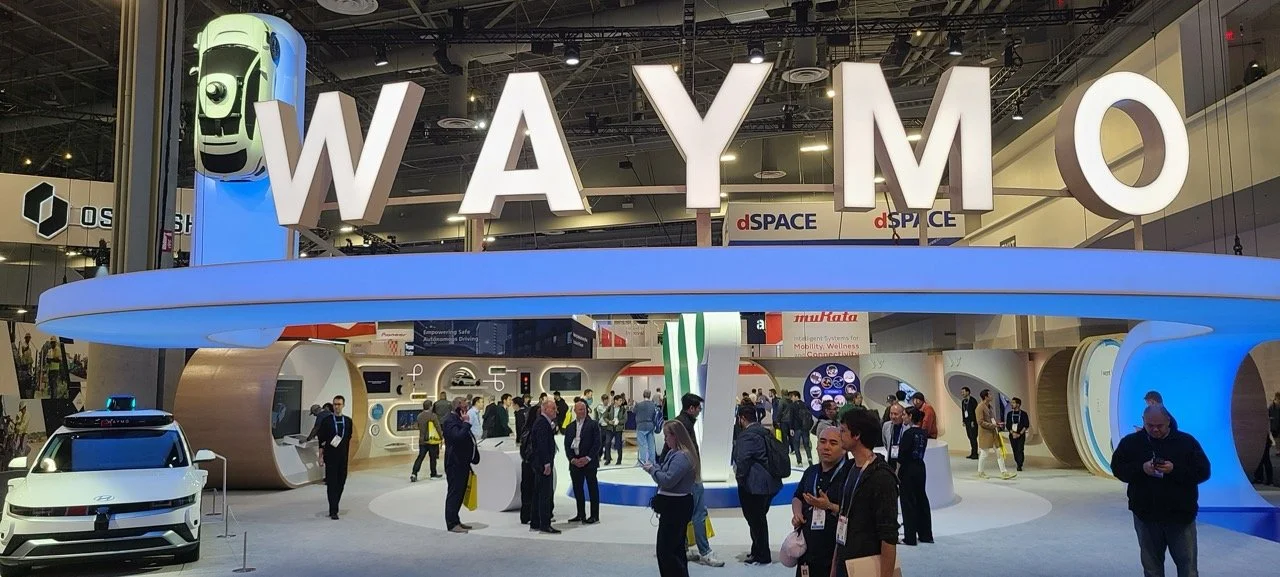
7. Hero moments and Instagram-ready visuals (but choose your tech wisely)
Walking the CES floor, across millions of square feet of exhibitors, one thing became clear: everyone wants a hero visual.
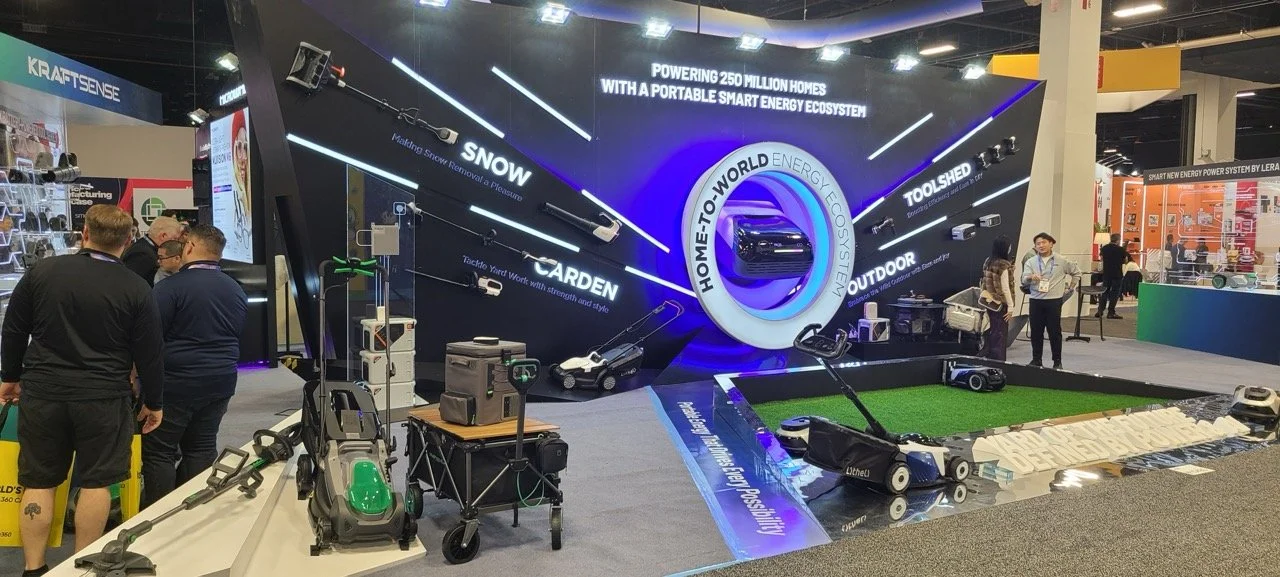
Massive LED installations, towering screens, giant statues and twisting architectural elements dominated attention. And while some, like fan-based LED arrays, were impressive in person, they almost never translate well to social media because of flicker, moiré, or poor capture quality on phone cameras.
That’s a crucial lesson for experiential designers: there’s a difference between what looks great in person and what photographs well. Exhibits that offer scalable visuals and capture-friendly moments (e.g., clear, photogenic lighting, well-framed interactives, or social prompts) win twice: in person and in the digital story your attendees tell later.
Why this matters: If your goal is extendable reach, beyond impressions on the show floor, design for both eyes and lenses – attendees are your fellow messaging and brand-awareness expansioners.
Final Thoughts: CES 2026 was about participation, not passive viewing
CES used to be about showcasing what was new. This year, it was about showcasing what is experiential. From immersive keynotes to gamified citywide activations, embodied AI interactions, and self-driven displays, CES 2026 invited attendees to participate at every turn.
For brands, that’s a simple mandate: don’t just stand there, make them do something and at the massive scale of what a place like Vegas offers.
If you want to build deeper engagement, deeper learning, and deeper recall, CES 2026 showed that you must create experiences that resonate beyond tablets and tiles, into the real world, and into deep-memory.