
Experiential marketing is the new above the line
02.09.26
Rodrigo Espinosa
SVP, Integrated Campaigns, Invision
Experiential marketing is the new above the line—and it’s how brands win today
The traditional marketing funnel has collapsed. The journey from awareness to purchase to amplification isn’t linear anymore—and it hasn’t been for a generation. Over the last two decades, fragmentation has only accelerated, breaking the illusion that brands control when, where, or how people engage.
Today, people come to your brand on their terms. Through their channels. On their timeline.
The 30-second spot is about as effective as yelling into the Grand Canyon and hoping someone hears you—let alone cares.
Relevance and authenticity now matter more than reach or clicks. Screen fatigue is real. AI has raised skepticism. And anything you can’t experience—physically or meaningfully—comes with a trust deficit.
Customers reward brands that show up deeper in the funnel: preference, purchase, and amplification. That requires an understanding of human behavior, real-time interaction, and content designed to live beyond a single moment.
Interrupting people no longer works. On social. On billboards. On TV. We live in a pull-media world, where audiences decide what earns their attention. Relevance wins. Brands don’t just advertise culture anymore—they participate in it.
Below the line is the new above the line.
A pop-up that becomes a social feed. A live moment designed to be shared, remixed, and extended digitally. A brand experience that doesn’t just generate impressions—but creates advocates. What used to live below the line now drives awareness at scale.
This shift is ushering in a new era of experiential marketing—one that brings together brand strategy, design, and digital engagement.
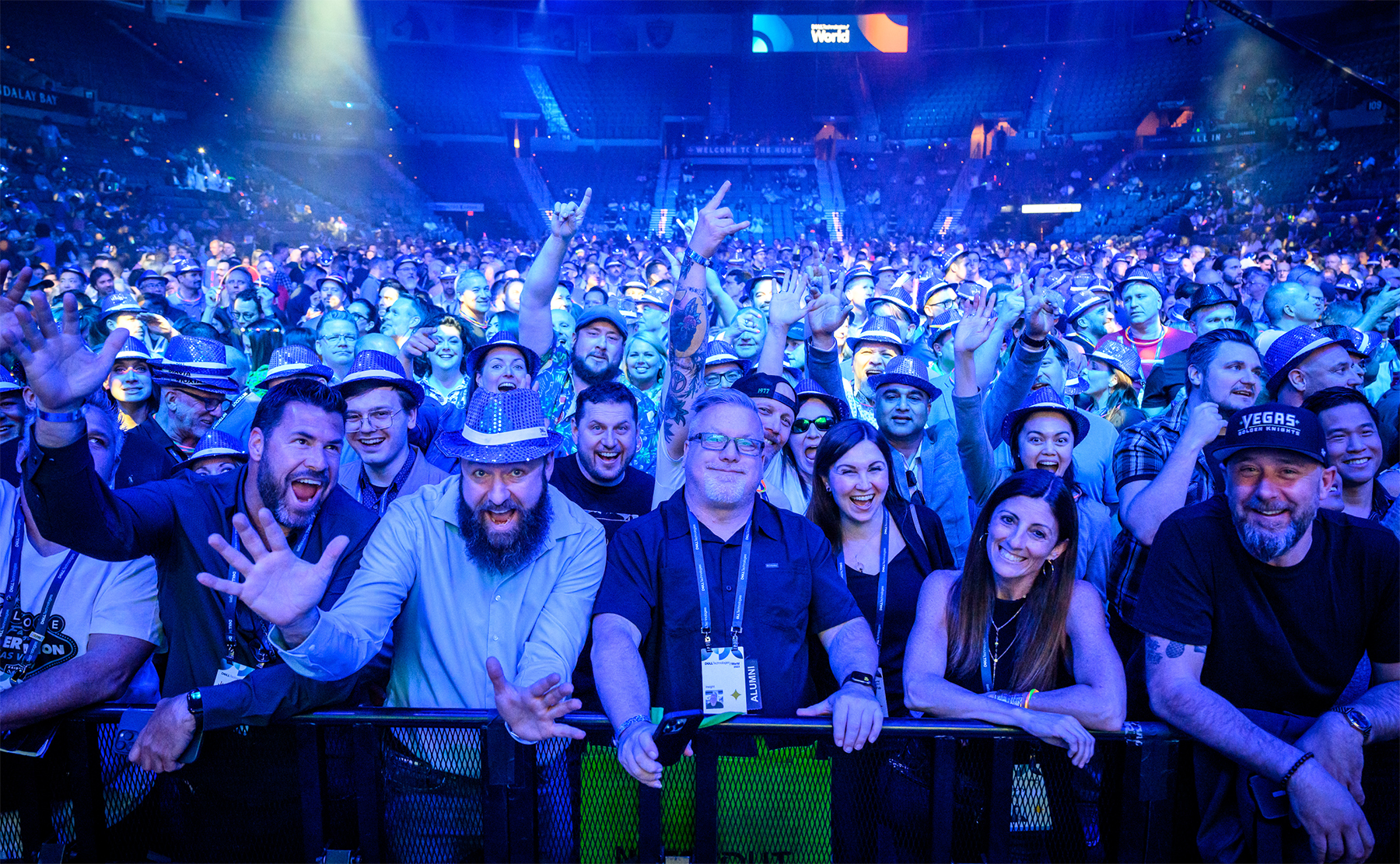
Today’s most powerful awareness drivers aren’t media buys—they’re moments people choose to talk about. In fact, 91% of consumers say they have more positive feelings about a brand after attending an experiential event, showing how experiences can build awareness and affinity that traditional ads struggle to match.
Experiential marketing is the physical and digital expression of a brand’s purpose. To do it well, brands must be clear on their value proposition, their position in the market, and the promise they’re making. Digital must feel seamless. Design must be human-centric.
The strongest experiential work tells a story with the customer at the center—unfolding across moments, channels, and touchpoints. It doesn’t interrupt the experience. It enhances it. And in doing so, it elevates how the brand is perceived.
In today’s hyper-fragmented landscape of fake video and endless doom-scrolling, trust is at a premium. It’s no longer enough for brands to be liked. Brands need to be loved.
Experiential marketing gives people a reason to fall in love—with your brand, on their terms.